Music
Catalogs, touring economies, brand portfolios — the businesses inside the music business.
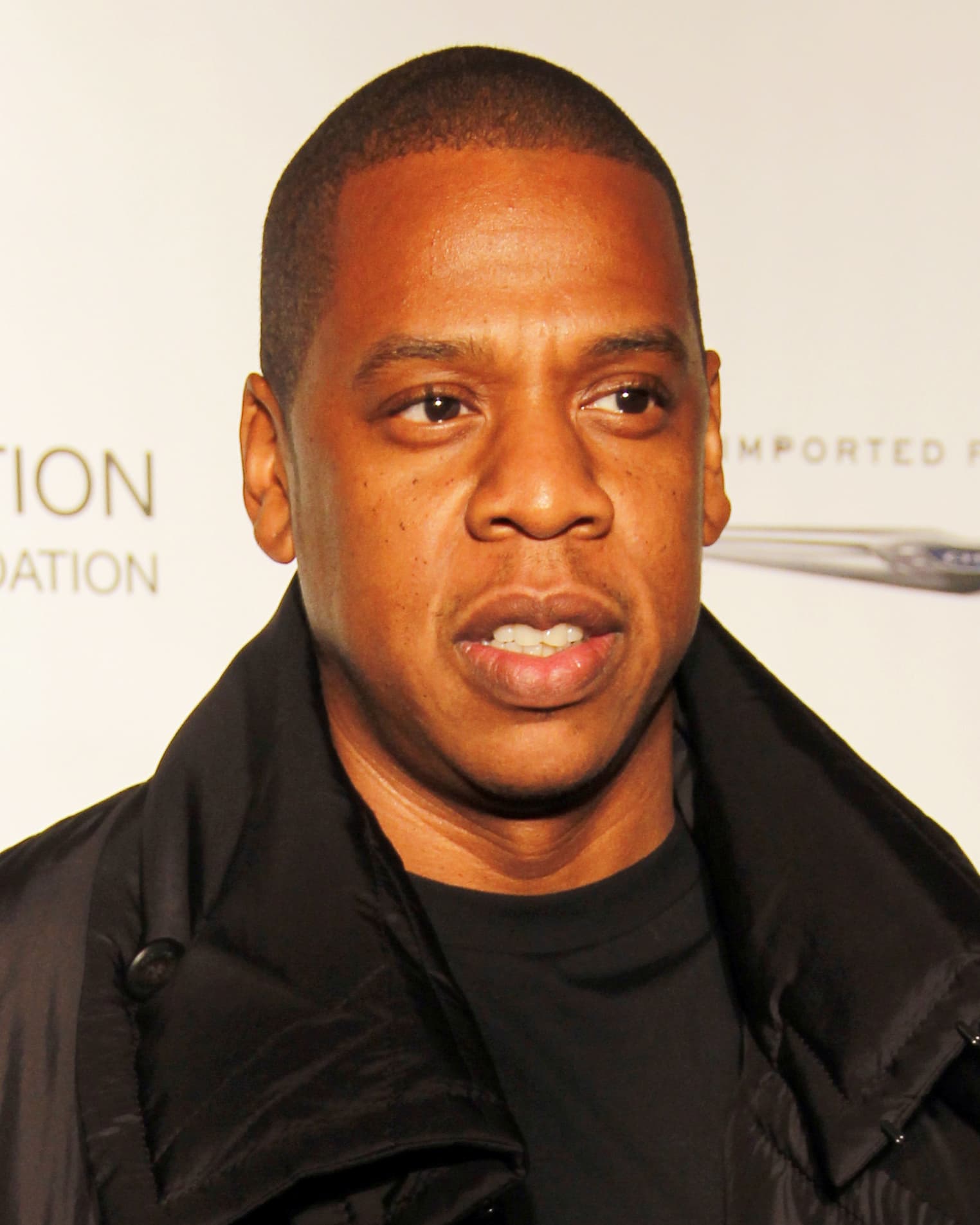
Jay-Z
A decade after Forbes clocked his annual earnings in the mid-$50M range, Shawn Carter has crossed a threshold that no musician in history has reached — and the music itself is almost incidental to how he got there.
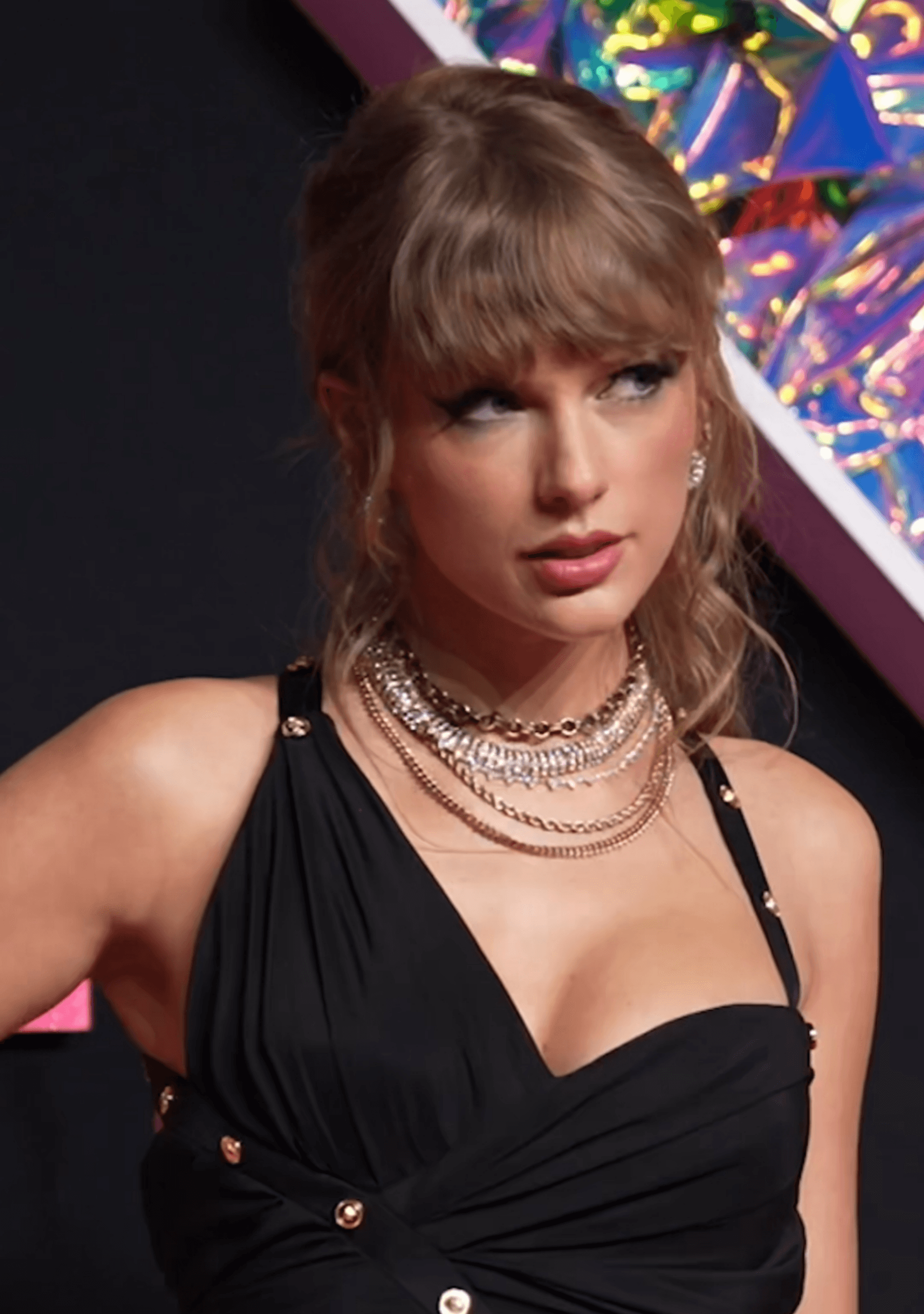
Taylor Swift
American singer-songwriter whose Eras Tour became the highest-grossing concert tour in history and reset the economics of the modern stadium run.
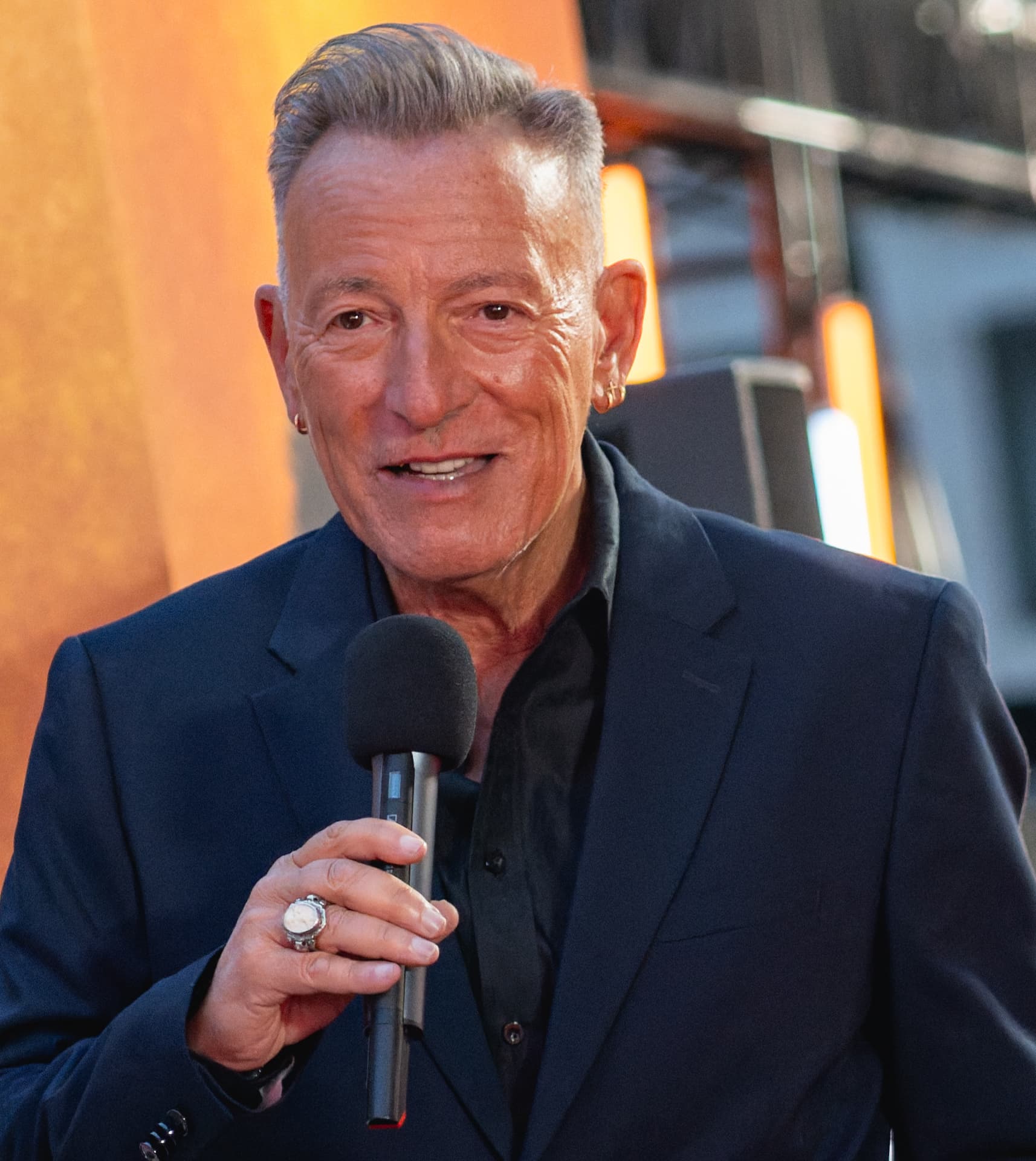
Bruce Springsteen
A half-century of relentless touring, a landmark Sony catalog deal, and a brand that outlasted every cultural cycle brought Springsteen to a fortune that even he refuses to fully accept.

Paul McCartney
Eight decades of compound advantage—catalog, catalog, and catalog again—have made McCartney not merely the wealthiest musician in British history, but a case study in how creative IP becomes generational capital.
Rihanna
Barbadian recording artist whose pivot from chart-topping pop to consumer beauty has made Fenty one of the most successful celebrity-led brand portfolios ever assembled.
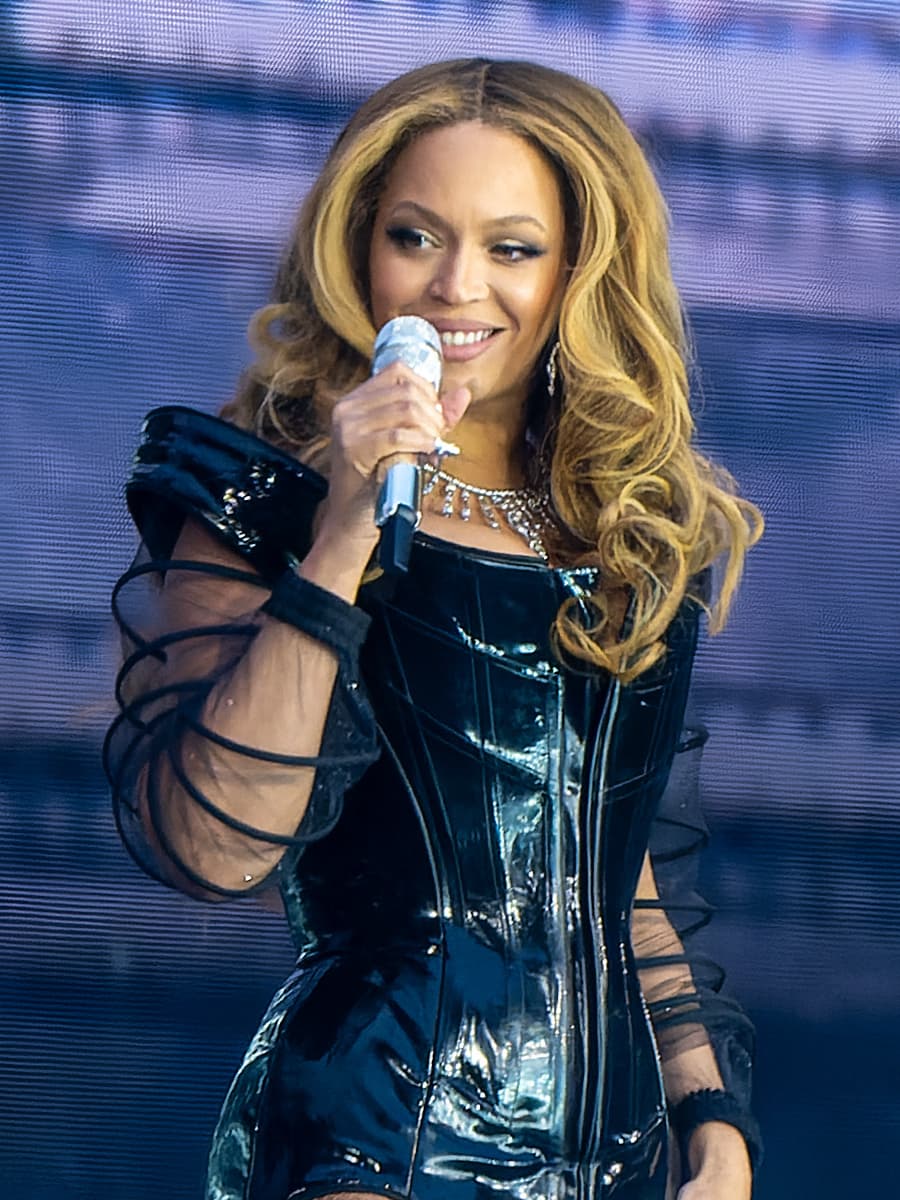
Beyoncé
Houston-born singer whose 30-year arc through Destiny's Child, solo dominance, and brand ownership has built one of music's most diversified portfolios.
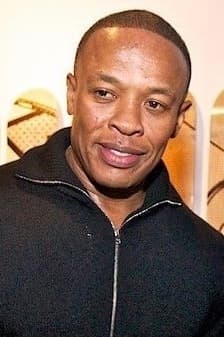
Dr. Dre
Four decades after his first record deal, Dr.

Madonna
The Queen of Pop's fortune, now estimated at $850 million, is less a celebrity windfall than the compounded result of four decades of deliberate business architecture — touring, catalog control, and brand licensing working in concert.
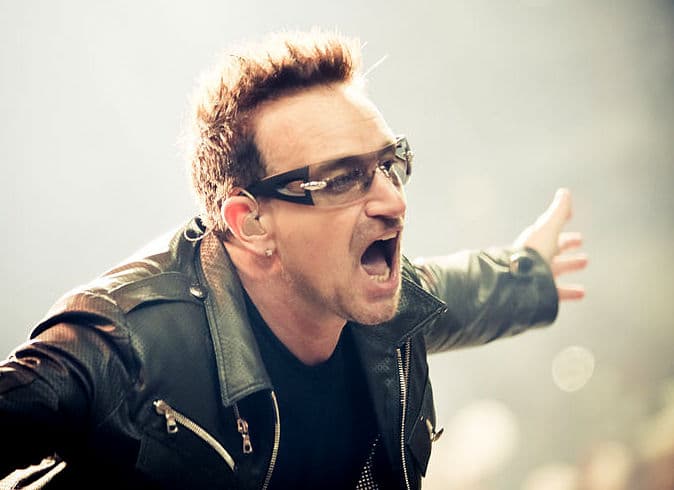
Bono
Four decades of stadium rock, a well-timed Facebook bet, and a clutch of Dublin ventures have turned Paul Hewson into one of the wealthiest musicians alive.
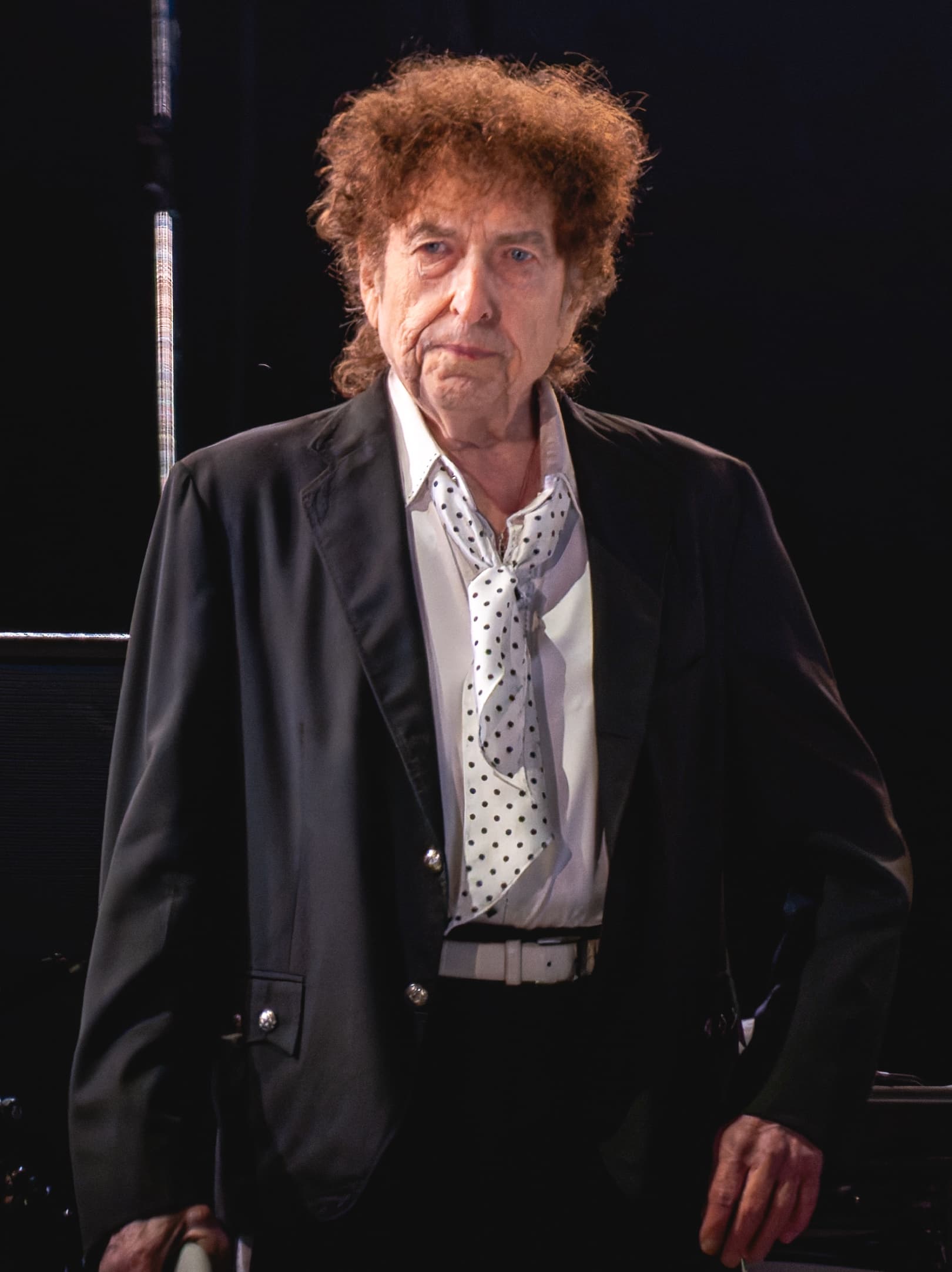
Bob Dylan
At 85, the Duluth-born poet-turned-mogul has converted six decades of songwriting into a half-billion-dollar estate built on landmark IP deals, relentless touring, and a quietly diversified asset base.
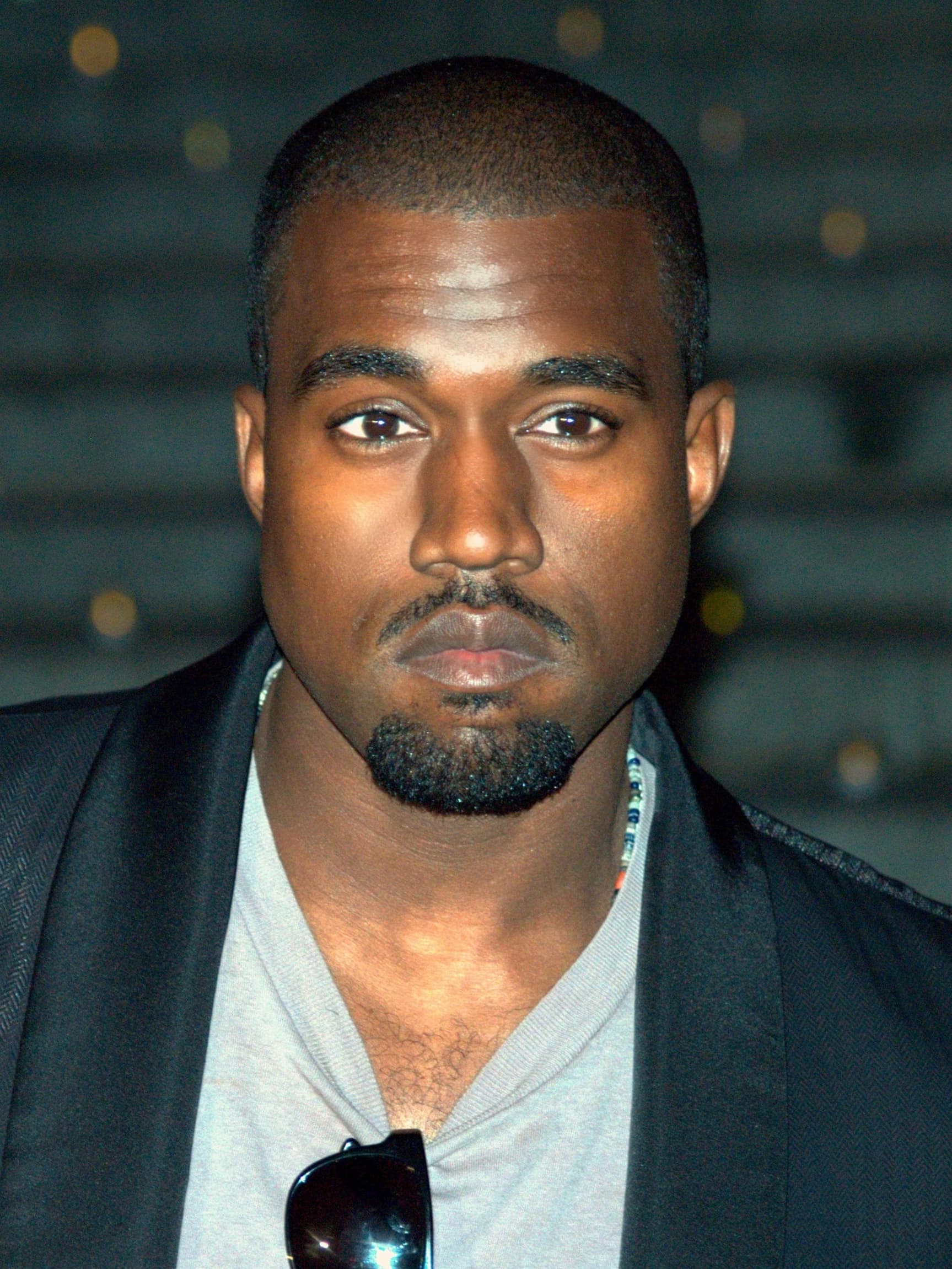
Kanye West
Once within reach of a $6.
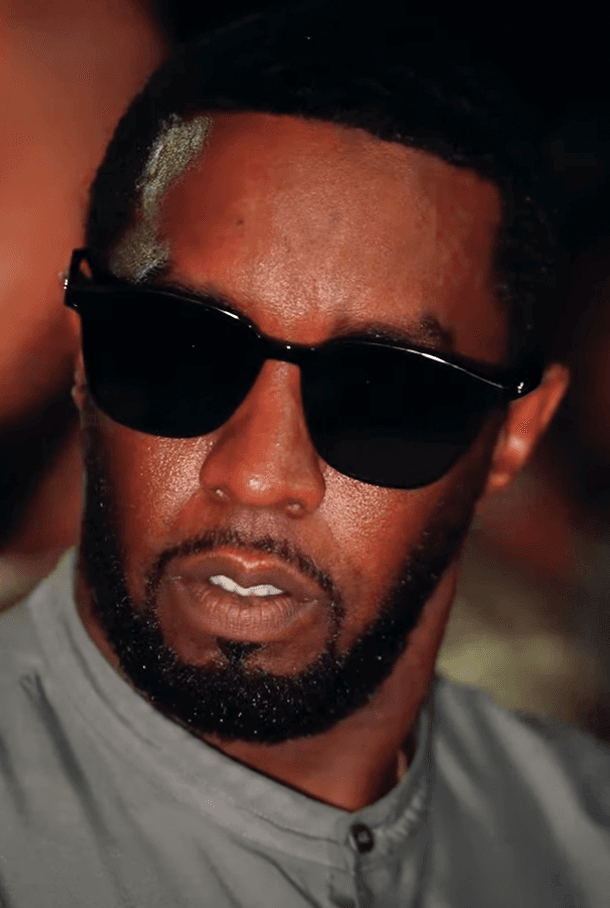
Diddy
Sean Combs built one of hip-hop's most diversified fortunes — then watched it contract sharply, leaving a figure that tells as much about structural wealth as about the man who assembled it.
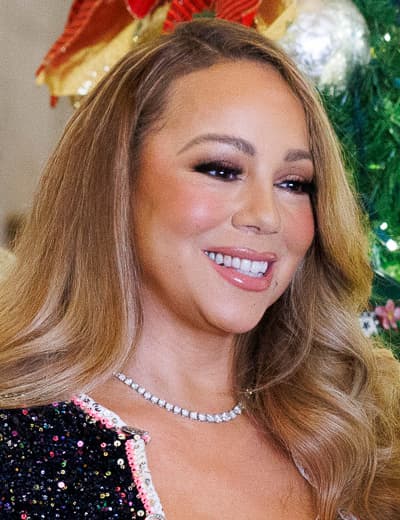
Mariah Carey
Three decades after she wrote a four-minute holiday track in an afternoon, Carey's fortune has compounded into one of pop music's most durable wealth structures — a self-reinforcing royalty machine with no obvious off switch.
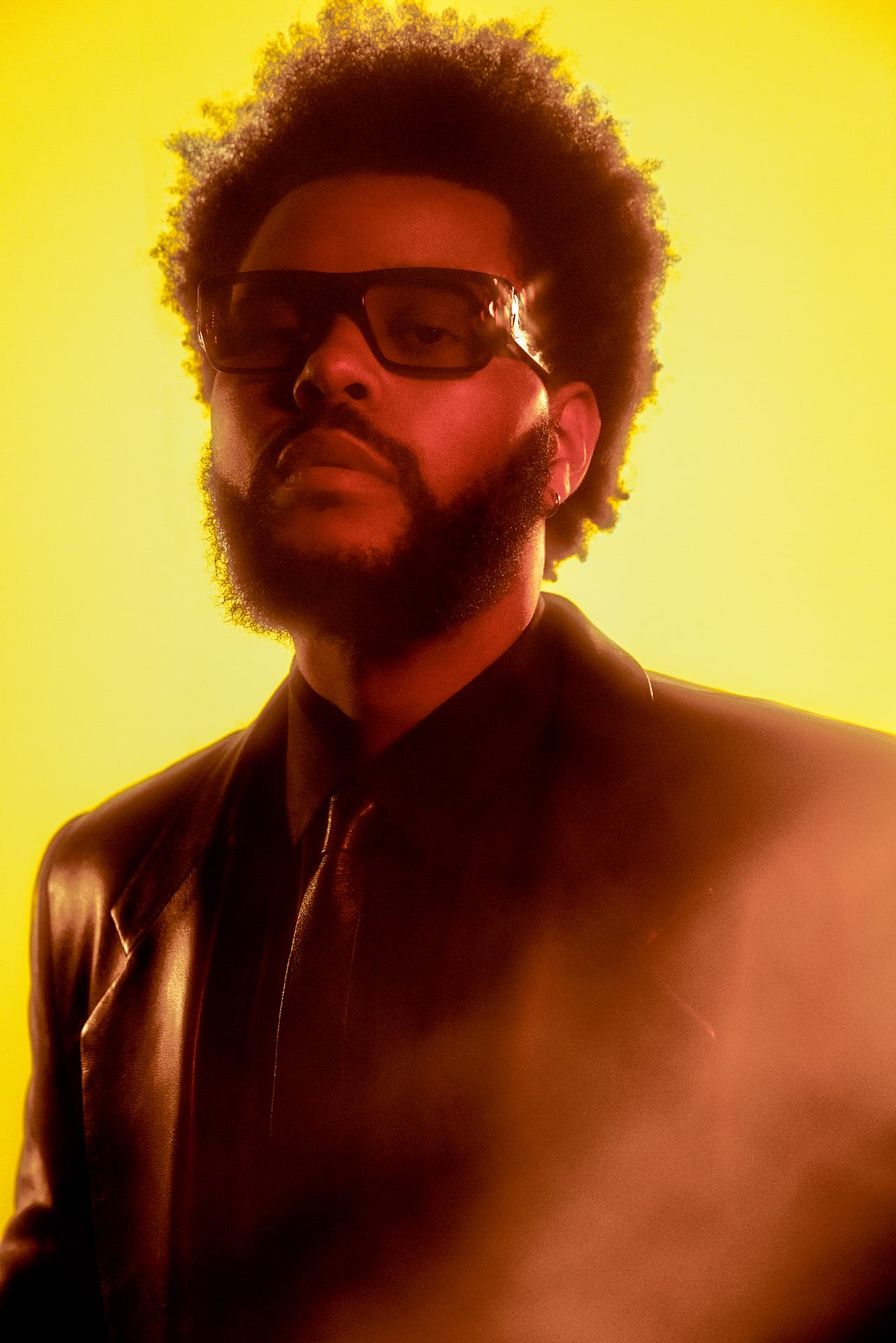
The Weeknd
A $1 billion catalog financing deal, Spotify's most-streamed artist record, and a touring machine that prints nine figures in active years — Abel Tesfaye's wealth is larger, and stranger, than most estimates allow.
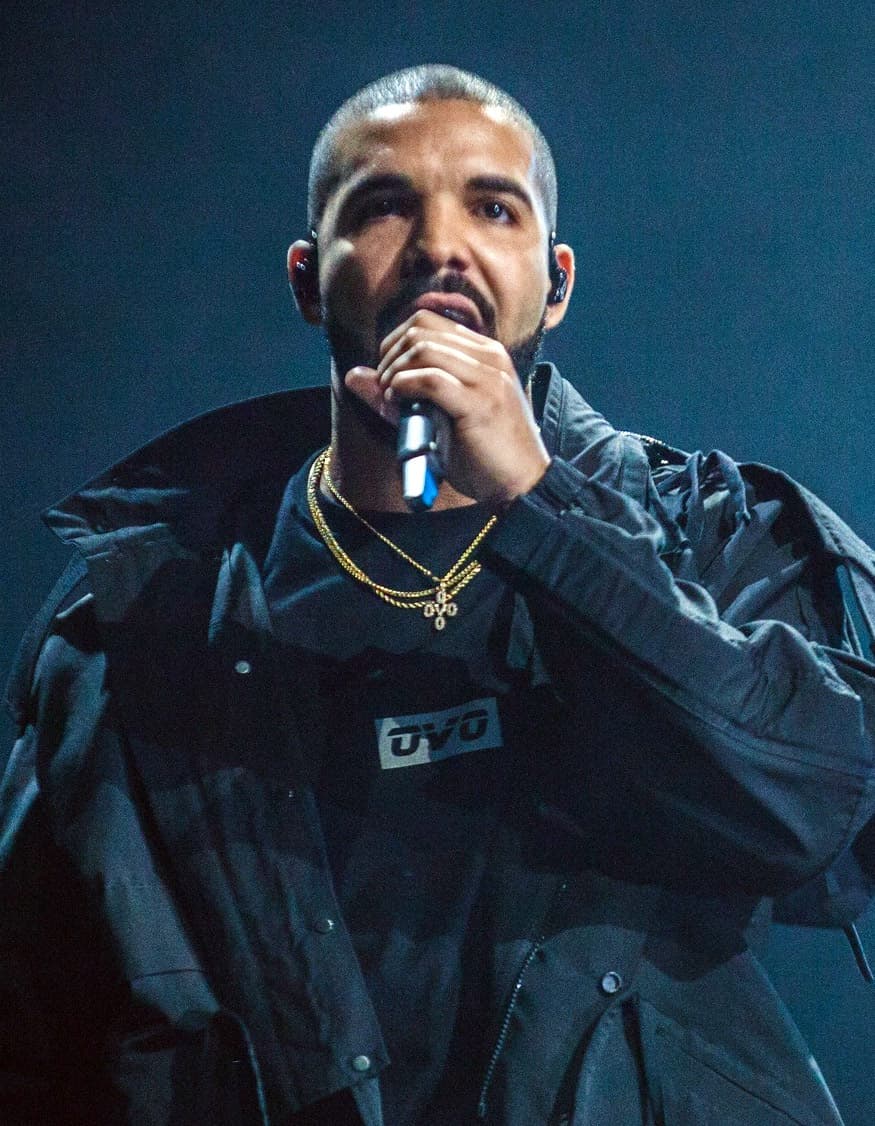
Drake
Canadian rapper, singer, and entrepreneur whose 2010s reign reshaped commercial hip-hop.
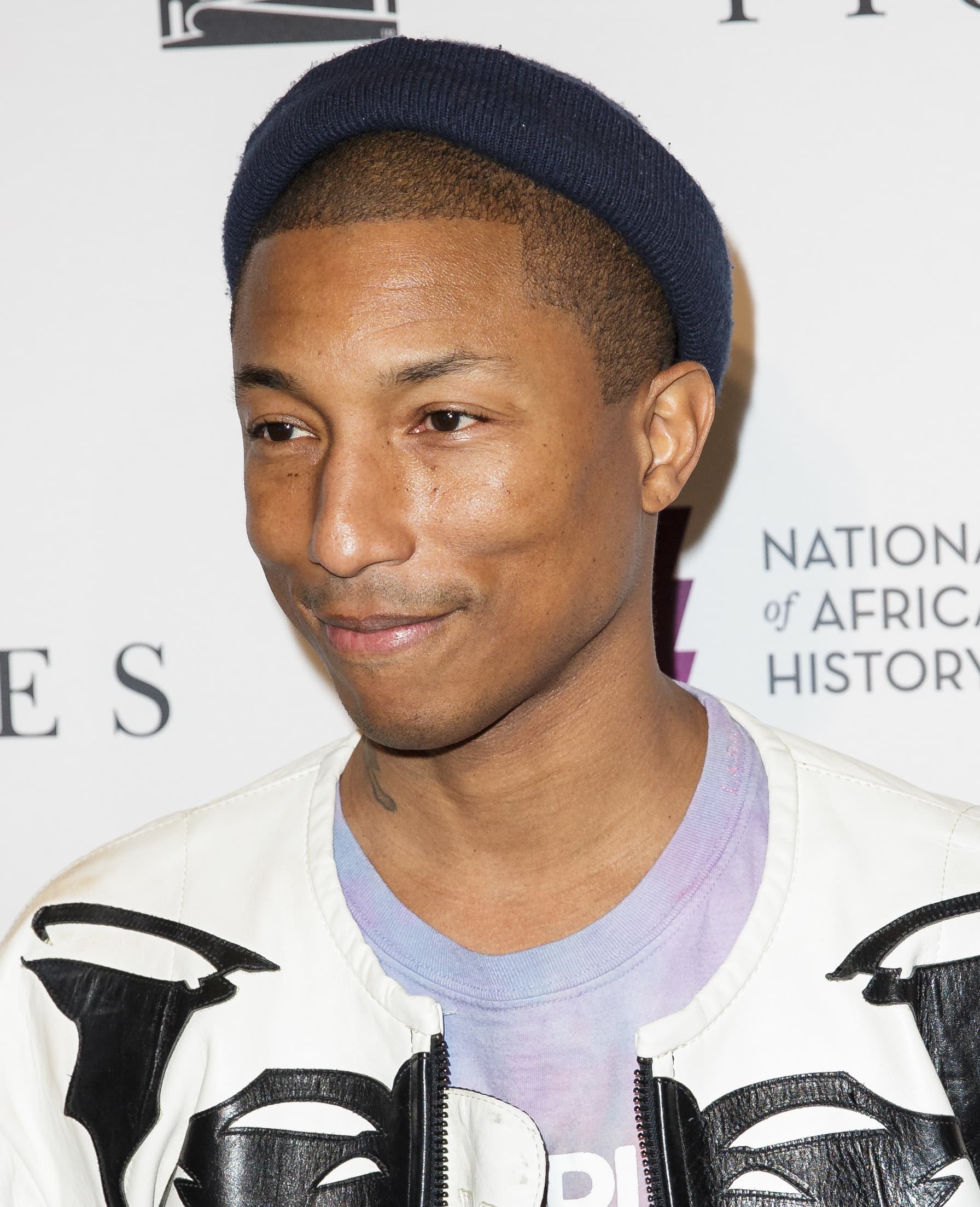
Pharrell Williams
A half-century of synesthetic genius—channeled through production suites, runway shows, and boardrooms—has compounded into a fortune that defies any single category.
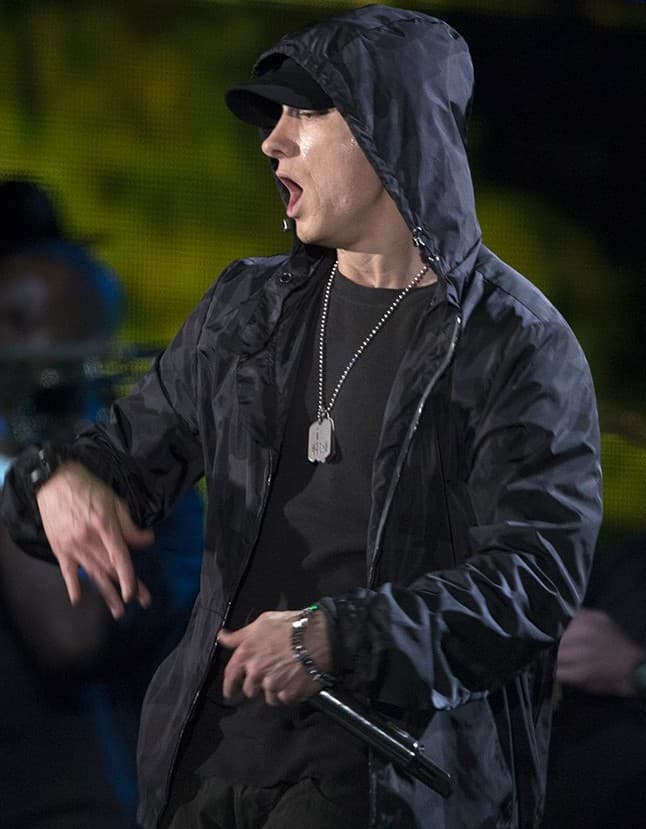
Eminem
Three decades after arriving broke in Detroit, Eminem has constructed a fortune spanning master recordings, a label empire, and a catalog whose value keeps climbing regardless of whether he sets foot on a stage.
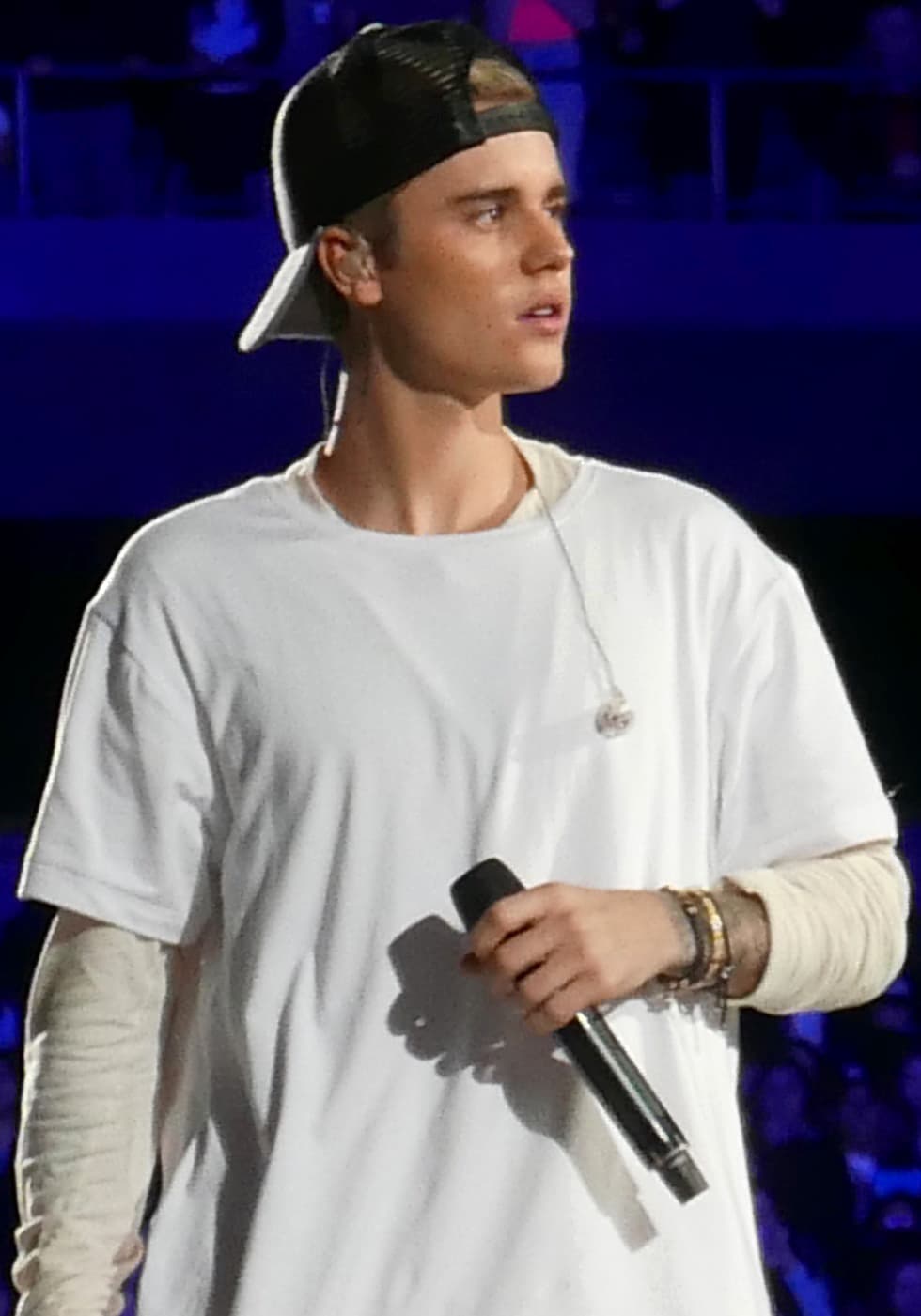
Justin Bieber
A landmark catalog sale, three blockbuster touring cycles, and a brand apparatus built over fifteen years place Bieber's fortune well above the pop-star median — even during a period of deliberate professional deceleration.
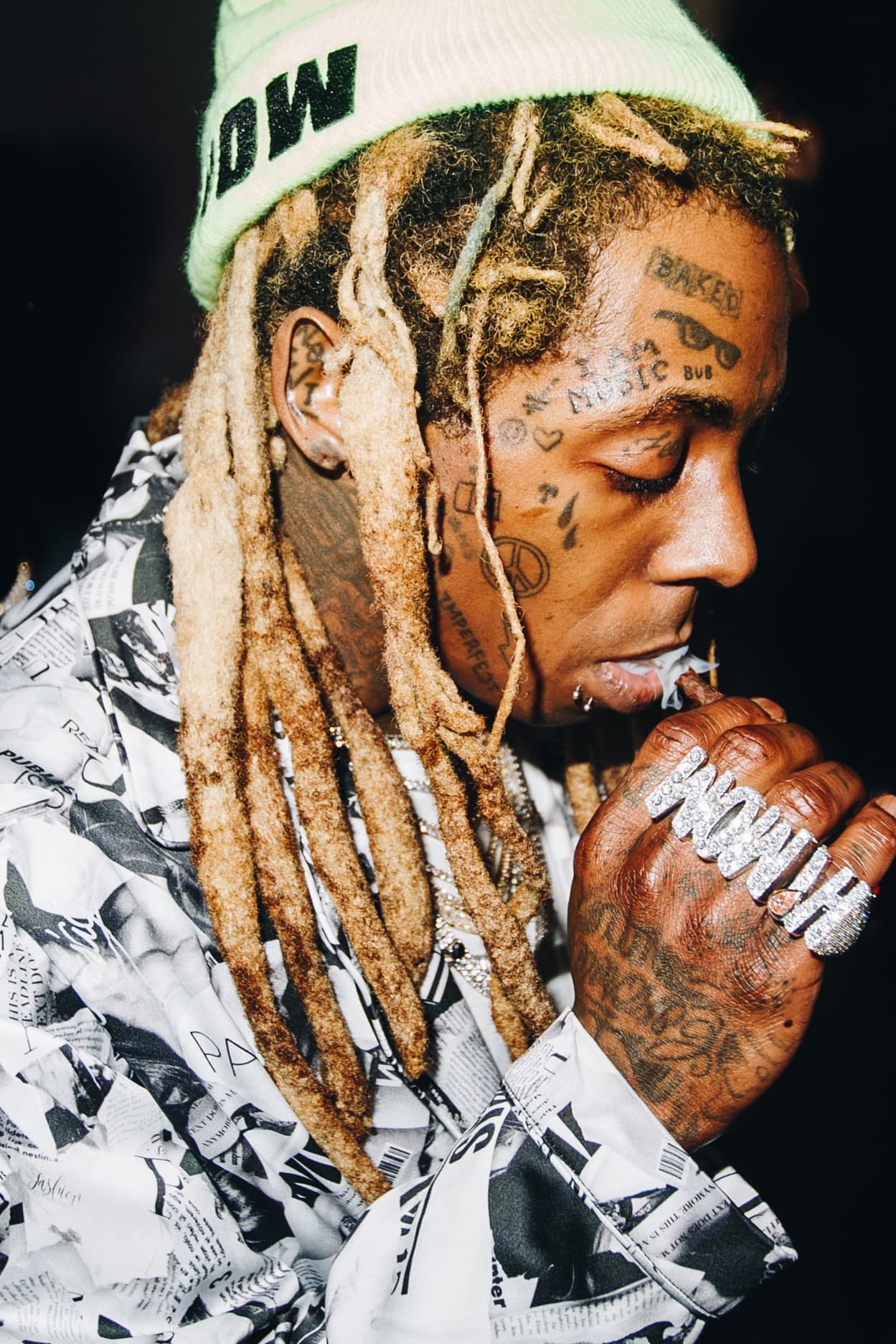
Lil Wayne
Two decades after signing his first Cash Money deal as a child, Dwayne Michael Carter Jr.

Snoop Dogg
Three decades after Doggystyle rewrote the rules of West Coast rap, the Long Beach native has constructed a fortune that owes as much to IP strategy and media ubiquity as it does to any microphone.

Nicki Minaj
Sixteen years after Pink Friday cracked the Billboard 200's summit, Minaj's fortune—anchored by music dominance and a methodically diversified portfolio—has become one of hip-hop's most durable financial stories.

Bad Bunny
Benito Antonio Martínez Ocasio built a nine-figure fortune from Bayamón to the Super Bowl stage — and the mechanics of that wealth are more disciplined than the spectacle suggests.

Travis Scott
From psychedelic rap records to nine-figure tour grosses and a brand portfolio stretching from fast food to gaming, Scott's fortune is built on five interlocking revenue engines — and only one of them is music.

Post Malone
A decade after "White Iverson" cracked the internet open, the Syracuse-born artist has assembled a wealth portfolio that touring alone could not explain — and our analysis places the figure at $50 million as of June 2026.