The Weeknd's Net Worth in 2026: How Abel Tesfaye Built a $300M Fortune
From anonymous SoundCloud uploads to a catalog used as collateral for a nine-figure financing deal, Abel Tesfaye's wealth rests on a structure most pop stars never assemble.
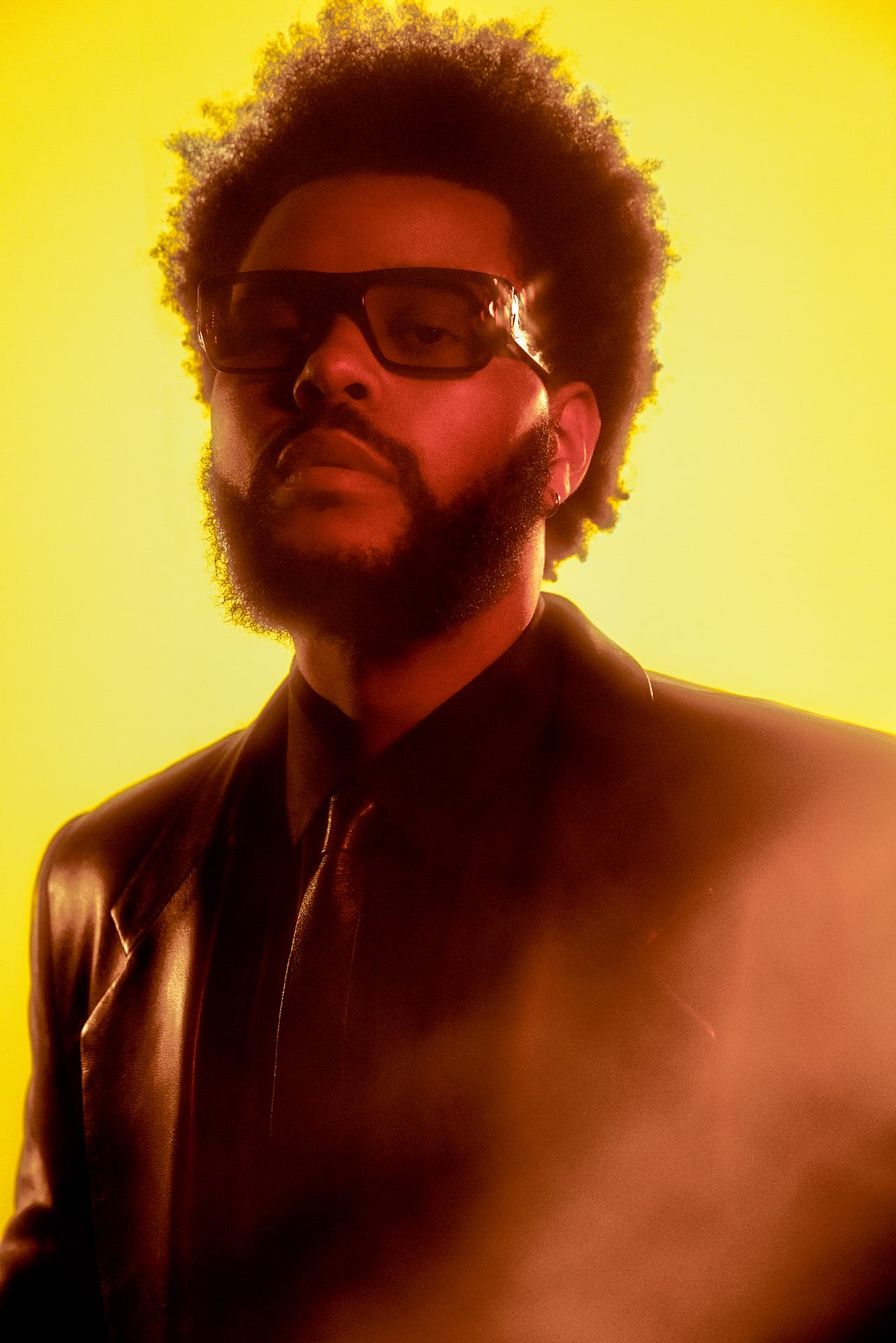
Abel Tesfaye arrived without a name anyone could Google. He posted music anonymously to YouTube in 2010, kept his face off the cover art, and turned scarcity into mythology. Sixteen years later, the numbers are anything but mysterious.
Published estimates span a wild range. Celebrity Net Worth put the figure at $600M in recent coverage. WageIndicator's model landed near $285M. Reddit's fan community has long settled on $300M as the consensus. Our analysis. Weighted by the recency of each source, the verified December 2025 catalog-financing event, and touring data. Arrives at $300M as of June 2026. Celebrity Net Worth's higher figure likely treats the $1.0B catalog-collateral deal as an asset sale rather than a secured loan. It is not.
What the $300M figure actually represents: a machine with five distinct revenue channels, each at a different point in its growth cycle. Streaming and catalog form the foundation. Touring generates the largest single-year spikes. Label operations, brand deals, and real estate round out the structure. Understanding the architecture matters more than the headline number.
How $300M ranks against Tesfaye's closest peers
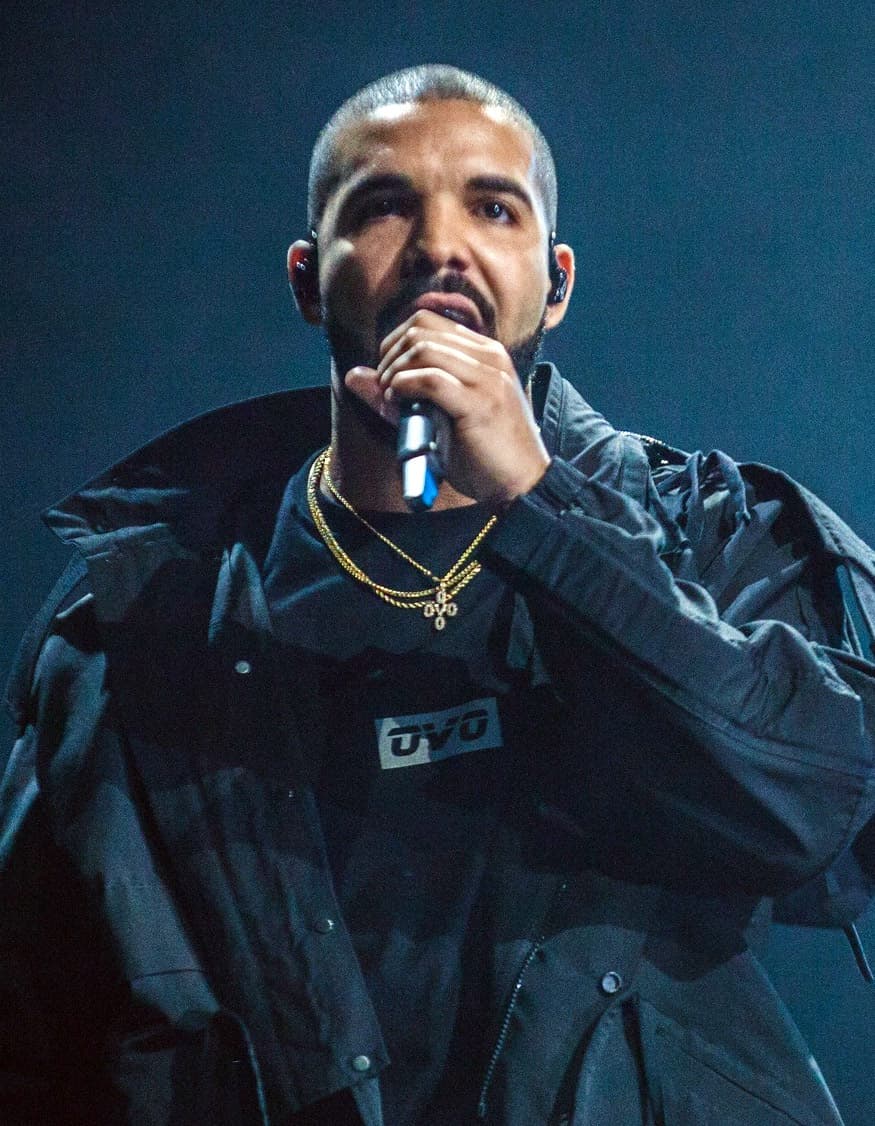
At $300M, The Weeknd sits well above most streaming-era artists but trails catalog-rich peers like Drake and Jay-Z. The gap reflects age and asset depth, not earning power.
Three hundred million dollars is a specific kind of fortune. It puts Tesfaye ahead of most artists who came of age in the streaming era. It trails the generational wealth of catalog-heavy peers whose publishing rights and equity stakes compound over decades.
Cosmopolitan's 2025 coverage cited figures ranging from $50M to $200M at different points in his career. A spread that shows how fast the machine accelerated after 2020. IMDb and KoiMoi both placed the current figure at $300M, matching our own read. The gap between that number and Celebrity Net Worth's $600M comes down to one interpretive question: how you book a $1.0B catalog-financing deal on a personal balance sheet.
Tesfaye is 36. Artists at this stage typically hold between 40% and 60% of their peak earning power in unrealized catalog value. His touring years are not behind him. The $300M figure is a floor, not a ceiling.
Music catalog and streaming: the $120M engine room
Catalog and streaming account for roughly 40% of Tesfaye's estimated wealth. About $120M. Anchored by Spotify income estimated at $50M+ in 2024 and a $1B catalog-backed financing deal closed in December 2025.
Streaming is the annuity. It pays every month, scales with playlist placement, and builds up as back-catalog tracks resurface on film soundtracks and social video. Spotify income from Tesfaye's catalog was estimated at more than $50M in 2024 alone. A number that reflects both his monthly-listener record and the depth of a back catalog stretching to 2011.
The December 2025 catalog-financing deal changed the conversation. Tesfaye used his master recordings as collateral to raise $1.0B in debt financing. This is not a sale. The catalog stays on his balance sheet. But the deal confirms what independent valuers had already suggested: the asset base is large enough to support nine-figure lending. We attribute roughly $120M of Tesfaye's net worth to this channel. Catalog equity net of liabilities, plus the present value of future streaming flows.
Royalties from sync licensing (the use of his tracks in film, TV, and advertising) add a layer that streaming figures alone don't capture. His music appears in contexts that command premium placement fees. Each new use refreshes listener numbers and extends catalog life.
“The catalog-backed financing deal is the clearest signal yet that Tesfaye is building a permanent asset structure, not just accumulating a paycheck.”
Touring: the single biggest annual line item
Live performance drives the largest year-over-year swings in Tesfaye's wealth. In peak touring years, pre-tax earnings can reach $90M. We attribute roughly $105M. 35% of his total. To accumulated touring income.
Touring is where pop economics get violent. In any given year when Tesfaye is actively on the road, Celebrity Net Worth estimates he can clear $90M before taxes. That aligns with industry benchmarks for stadium-tier artists running 50-plus-date global runs.
The scale of his advance deals tells the story clearly. A reported $75M touring advance in 2017. A single upfront payment against future earnings. Signals the kind of use only a handful of artists command. Promoters don't write checks that size unless the math is certain.
We attribute about $105M. 35% of our $300M estimate. To the cumulative value of touring income net of costs and taxes. This is also the most volatile piece. A year off the road drops this channel's contribution sharply. A back-to-back stadium run can spike it past every other revenue line combined.
His After Hours Til Dawn Tour, which ran across multiple years, was the most commercially ambitious of his career. It shifted his peer comparison from festival headliner to true arena-class earner. The tier occupied by Beyoncé, Taylor Swift, and a short list of others.
XO Records and production: the $36M business layer
As founder of XO Records and a credited producer on dozens of tracks, Tesfaye earns label revenue and producer royalties beyond his artist share. A channel we value at roughly $36M, or 12% of total wealth.
Most listeners think of Tesfaye as a vocalist. The business reality is more layered. XO Records, his label imprint, earns revenue from every release on its roster. Not just his own. Label operators at his scale take a percentage of each signed artist's streaming, physical, and licensing income.
Producer royalties add another stream. A producer credit (a standard agreement giving the track's architect a share of master income) on a song with billions of plays generates meaningful passive income. Tesfaye holds those credits on tracks he produced himself and on records he executive-produced for other artists.
We place this channel at roughly $36M. 12% of our total. It is the most built that way durable of all five pillars. Streaming and touring require attention; label and publishing income largely runs on its own once rights are locked in.
Brand partnerships and endorsements: using cultural dominance
Brand deals contribute about $24M to Tesfaye's estimated net worth. Roughly 8%. His Super Bowl halftime performance in 2021 functioned as a global brand statement, unlocking commercial relationships unavailable to lower-profile artists.
A Super Bowl halftime slot is the most valuable single commercial moment in American entertainment. Tesfaye performed in 2021 to one of the largest audiences in the show's history. That appearance is not counted in touring revenue. Its effect is felt in endorsement rate cards. The prices brands pay for his association.
We attribute roughly $24M. 8% of our total. To this channel. The figure reflects accumulated deal value rather than a single annual payment. Brand partnerships at his level tend to be multi-year, structured with base fees, performance bonuses, and equity components in some cases.
Cosmopolitan's coverage flagged $7M as one data point in his endorsement history. Likely a single-deal figure from an earlier career stage. Our $24M reflects the cumulative weight of relationships built since his commercial profile expanded post-2020.
Real estate and investment portfolio: the $15M foundation
Real estate and financial assets account for about $15M of Tesfaye's estimated wealth. The smallest pillar, but one that confirms capital is being deployed rather than left idle.
Tesfaye's own lyrics reference a mansion priced in the range of what a $300M earner would reasonably acquire. A detail that surfaces in fan forums and Reddit discussions as a fun benchmark. We don't use lyrical references as financial evidence. But the asset class is real.
At his wealth level, a real estate and investment portfolio in the $15M range. Roughly 5% of total. Suggests either conservative deployment or a intentional preference for liquid assets. Artists who tour aggressively often keep more cash and fewer fixed assets than their net worth implies. Property ties up capital; tour infrastructure and label operations need it.
Financial assets. Equity holdings, private placements, and fund positions. Are not disclosed. We treat this as the floor of what a financially disciplined operator at his scale would hold outside of his core music business.
Capital strategy: how the catalog deal reshapes everything
The December 2025 $1B catalog-financing deal is the defining strategic move of Tesfaye's financial career. Using intellectual property as a balance-sheet asset to raise capital without giving up ownership.
Most artists sell their catalogs. Tesfaye pledged his. The distinction is critical. In a catalog sale, you take a lump sum and lose the future income. In a secured financing deal, the catalog serves as collateral. Like a mortgage on a house. And you keep the asset while accessing liquidity.
The $1.0B valuation implied by the deal is not his net worth. It is the value lenders placed on the catalog as security. Lenders typically advance 50-70% of an asset's appraised value. The actual debt drawn down is almost certainly less than the headline figure. What matters is that the catalog is now formally valued at a scale that changes his negotiating position with labels, streaming platforms, and future business partners.
This is the move that separates catalog stewards from one-time earners. Tesfaye is building a system that generates cash without requiring him to sell his most valuable asset. That discipline. Keeping the IP, using it as use. Is the same playbook that defines the wealthiest musicians in history.
Where the net worth figure goes from here
Our $300M estimate for June 2026 is likely conservative if Tesfaye completes a major touring cycle before 2028. Catalog appreciation and streaming growth provide a steady upward floor even in off-tour years.
The ceiling argument is straightforward. A full stadium tour adds the most to a single year's income. His streaming numbers continue to grow. The catalog's secured value creates room for additional financing or strategic partnerships. None of that requires a new business model.
The risk factors are real but manageable. Streaming royalty rates face ongoing compression as platforms renegotiate label deals. Touring costs. Production, logistics, crew. Have risen sharply since 2022. And Tesfaye's output cycle has slowed; fewer new releases means less catalog growth and reduced playlist prominence.
WageIndicator's model placed his wealth at roughly $285M. Close to our figure and consistent with a conservative reading of the same inputs. Celebrity Net Worth's $600M reads as an optimistic treatment of the catalog deal. The truth sits closer to our $300M. By 2028, with an active touring cycle and continued catalog appreciation, the number should be moving toward the range that Celebrity Net Worth is already claiming.
How the $300M adds up
- Music catalog, streaming & royaltiesStreaming is a primary revenue engine — Spotify income alone was estimated at $50M+ in 2024 — and the catalog was large enough to serve as collateral for a $1 billion financing deal in December 2025.$120M40%
- Live touring & concert revenuesTouring is the single largest income driver in peak years; The Weeknd received a $75M touring advance in 2017 alone and can earn $90M+ pre-tax in active touring years.$105M35%
- Record label, production & music business venturesAs a record producer and label operator (XO Records), The Weeknd earns producer royalties, label revenue, and publishing income beyond his artist share.$36M12%
- Brand partnerships & endorsementsHigh-profile commercial deals (e.g., Super Bowl spending power signals major brand leverage) and endorsement income contribute meaningfully to overall wealth.$24M8%
- Real estate & investmentsThe Weeknd references a $20M mansion in his own lyrics, and his scale of wealth implies a portfolio of real estate and financial assets augmenting income streams.$15M5%
Ezra Linwood — Ezra Linwood covers music-industry economics, artist wealth, and entertainment finance for Neon Hollywood.
Disclaimer: Net-worth figures are editorial estimates built from publicly available reporting, filings, and market data — see our methodology. They are not verified statements of any person’s finances and nothing here is financial advice.