Jada Star Steps Into the Light After Dolly Parton's Death
Dolly Parton's niece is getting through public grief while an industry watches to see what happens to the most powerful brand in country music, and who, if anyone, carries it forward.
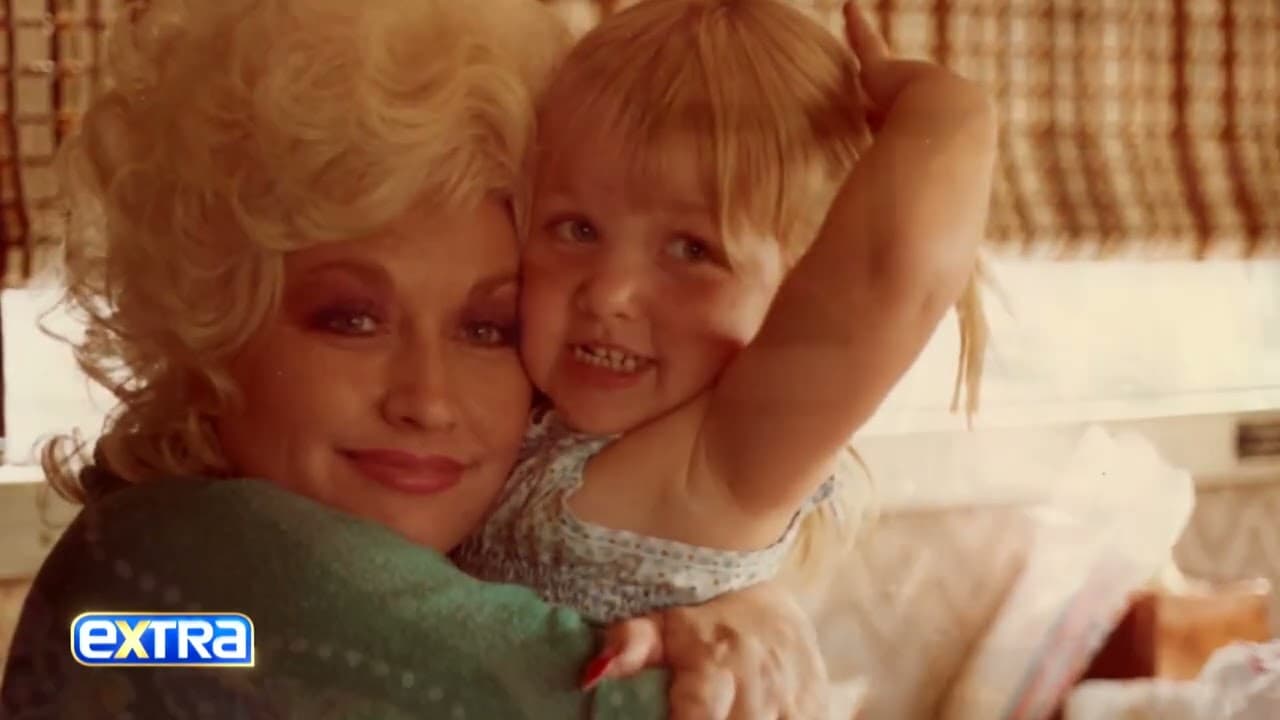
The Opry stage has seen more emotional moments than most buildings in America, but the tribute performance after Dolly Parton's death landed differently. A niece walked out. Millions watched. And the question underneath the grief, what becomes of that brand, that catalog, that name, started forming in the minds of people whose job it is to think in those terms.
Jada Star sat down with Extra this week, one week after Parton's death, and gave the interview the moment required: composed, warm, occasionally choked up. She talked about drying her tears, getting back to work, and loving hard. She credited Dolly's advice, 'Why are you worried about what other people think?', as the thought that carried her through the Opry appearance. It was a gracious, generous performance of grief. It was also, whether Jada intended it this way or not, an audition.
That framing is not cynical. It is the reality that surrounds any significant death in the entertainment business. Legacy does not manage itself. Catalogs do not market themselves. Someone has to carry the narrative forward, in interviews, in tribute records, in the licensing conversations that will define how Dolly Parton's music and image live in the culture for the next half-century. Jada Star, by virtue of bloodline, television visibility, and this week's Extra sit-down, has put herself in the conversation.
What Jada Star said about Dolly Parton's final days
Jada Star told Extra that Dolly Parton's hospitalization came as 'just a shock,' explaining that the family kept health matters private and that Parton never wanted to worry anyone around her.
The family, Jada told Extra, kept the health situation 'real private.' Dolly never wanted to worry the people around her. That is consistent with everything the public ever learned about Parton's relationship to her own mortality, she worked, she performed, she showed up. The curtain stayed closed on anything that might read as weakness or decline.
What Jada described was a woman still very much in motion. 'Working 9 to 5 until the very end' was how the interviewer framed it, and Jada did not push back. The shock, when it came, arrived fast. That is almost always how it goes with people who are constitutionally incapable of slowing down. The absence of warning is built into the personality.
There is something worth pausing on here. Parton was 80. Her health was never the focus of public conversation. She gave no valedictory interviews, no farewell tour. The suddenness of the public moment, this tribute, this interview, these tears, is partly a function of Dolly's own narrative control. She chose how her story was told for six decades. The final chapter may be the only one she did not script.
Who is Jada Star and why does her profile matter now
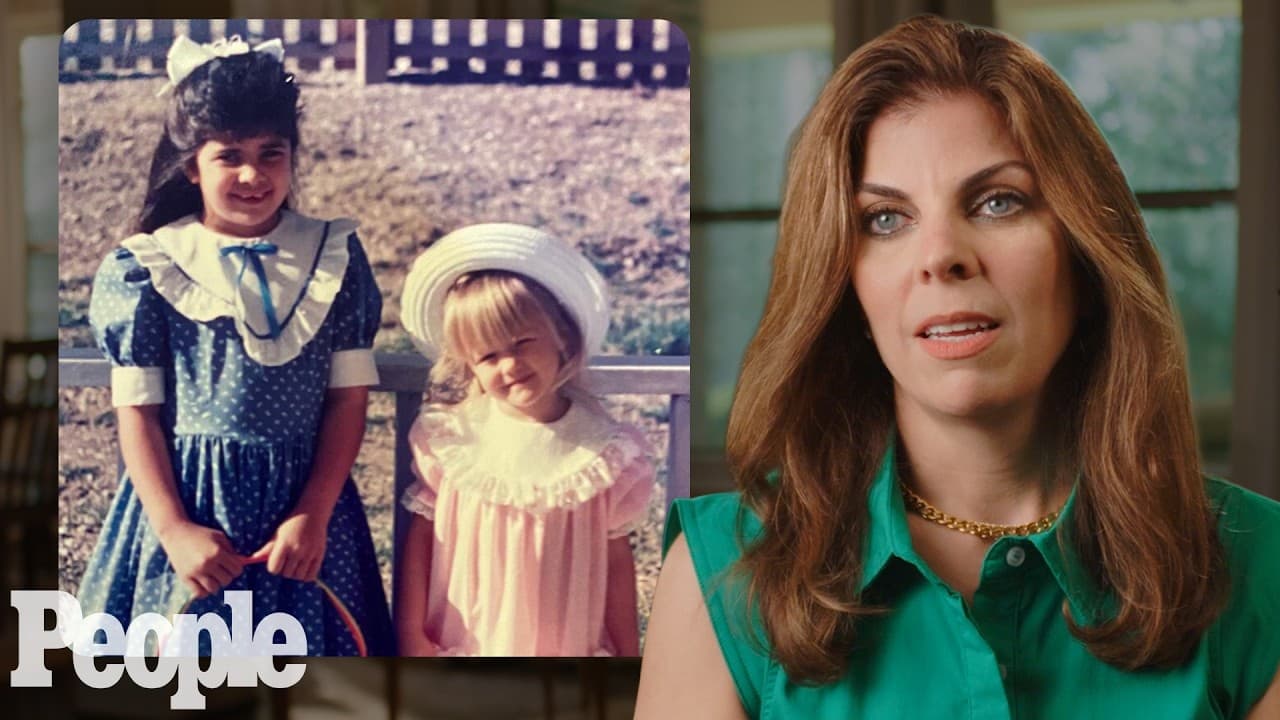
Jada Star is Dolly Parton's niece and a singer-songwriter who appeared on ABC's Claim to Fame four years ago, a competition series in which contestants concealed famous family connections. Her public profile is modest but growing fast in the wake of her aunt's death.
Four years ago, Jada appeared on Claim to Fame, the ABC reality competition where contestants hide their celebrity connections from one another. Dolly surprised her on the show. The tears were real, Jada said so herself. That clip now carries enormous new weight. A lot of people are watching it for the first time.
Before this week, Jada Star was a name that country music followers knew only at the margins. She writes songs. She performs. She is, by her own description, as interested in teaching people how to create as she is in building a conventional recording career. That is not the resume of someone angling for stardom on the traditional path. It is, however, the resume of someone who understands narrative and craft.
The distinction matters. The entertainment business does not need Jada to become a pop star for her profile to have real value. What it needs, what labels, documentary producers, estate managers, and brand partners will all need over the coming years, is a family voice. Someone articulate, telegenic, and clearly beloved by the person at the center of the story. Jada ticks every box.
Her visibility is accelerating quickly. The Extra interview. The Grand Ole Opry tribute. The social media grief cycle. Each appearance builds a slightly larger audience for whatever she does next. That audience is not hers yet. It is borrowed from Dolly. The question is whether she can make it her own.
"A grieving family that expresses disorder would undercut Dolly's brand at its most fragile moment, Jada's composure is itself an act of stewardship."
The business architecture of Dolly Parton's legacy
Dolly Parton's estate encompasses a songwriting catalog, recording royalties, the Dollywood theme park empire, and decades of brand licensing, a multi-industry footprint that will require active stewardship and narrative management for years to come.
Dolly Parton was not a musician who also had some business interests. She was a business empire that also released records. The Dollywood parks in Tennessee attract millions of visitors each year. The Imagination Library has distributed hundreds of millions of books to children globally. The songwriting catalog, 'I Will Always Love You,' 'Jolene,' 'Coat of Many Colors,' and hundreds more, generates royalties on a rolling, stacking basis.
Each of those assets requires management. Each of them also requires a human story. Dollywood is not just a theme park; it is a monument to Parton's Smoky Mountain origins. The Imagination Library is not just a charity; it is an expression of her values. Brand partners who have built campaigns around Dolly's image, and there have been many, will need to decide how to proceed. Do they honor existing deals quietly? Do they seek new arrangements with the estate? Do they pivot to tribute framing?
None of that happens without family involvement at some level. Parton was famously close with her siblings and their children. The public face of that family, in the immediate aftermath, appears to be Jada. Every interview she gives, every tribute she participates in, signals to the industry that there is a family representative willing to engage. That is not nothing. That is, in fact, the first and most important signal an estate can send.
For a deeper look at the wealth architecture Parton built across her career, the full picture is tracked in our /atlas. The numbers there place her in rare company, not just among country artists, but among entertainers as a category.
What the Grand Ole Opry tribute reveals about Nashville's grief economy
When the Grand Ole Opry stages a tribute, it is simultaneously an act of mourning and an industry signal, a declaration of which artists are inside the circle of official remembrance, and which institutions will steward a legend's cultural memory.
The Grand Ole Opry does not hold tribute concerts for just anyone. Membership there is the highest formal status Nashville confers. Parton was a member. The tribute was inevitable. But the details of who performed, who spoke, and who stood at the microphone will shape the institutional memory of her passing for a long time.
Jada performed. She was nervous, she said so. She thought of Dolly's advice about not worrying what other people think. She pushed through. Not a dry eye in the house, by her account. That moment now lives in the footage banks of every outlet that covered the Opry that night. It is a permanent part of the public record of Dolly Parton's death.
Nashville's grief economy is real. When a giant dies, the tribute circuit generates substantial media attention, streaming bumps, and catalog rediscovery. 'I Will Always Love You' will appear on playlists that have never touched country music. 'Jolene' will trend again across every platform. Documentaries will be commissioned. Anniversary editions of albums will be planned. All of that creates commercial opportunity. Family members who are visible and credible participants in the tribute cycle are positioned, whether they plan it or not, to benefit.
The music industry's relationship to legacy is worth examining here. The business has become increasingly sophisticated about the commercial life of a catalog after an artist's death. The market for estate-managed content has grown significantly over the past decade, driven by streaming data that makes the value of a song's ongoing plays calculable in ways it never was before.
How Dolly shaped Jada's creative identity, and what that means going forward
Jada Star has described Dolly Parton as a constant source of direct creative advice, including specific counsel to stop worrying about others' opinions, guidance that shaped both Jada's performance approach and her identity as a songwriter and music educator.
The specificity of the advice Jada remembers is striking. It was not generic aunt-to-niece encouragement. It was tailored. 'She had a different set of advice for every single person,' Jada said. Her version: stop caring what other people think. That is not a trivial lesson in the music business, where the fear of public judgment is the single most common reason careers stall before they start.
Jada's description of her creative ambitions is also interesting. She wants to keep writing. She loves other people's stories. She finds joy in teaching people how to create. That orientation, toward craft and community over celebrity, reflects something real about how she seems to see herself. It may also, strategically, be the right posture for this exact moment. Dolly was beloved partly because she was never just about herself. Her charity work, her humor, her accessibility, all of it communicated generosity. An heir to that spirit who positions herself as a teacher and a listener will find an audience more readily than one who simply tries to compete as a pop artist.
The Claim to Fame footage matters here, too. In that appearance, Jada had to perform authenticity under competitive pressure. She had to keep a secret while building real relationships. Those are not trivial skills. They translate. The entertainment business rewards people who can be genuine and strategic simultaneously. Dolly was the master of that balance. Jada appears to have studied closely.
For context on how other artists have navigated similar transitions, inheriting a famous name while building something of their own, our latest reporting has tracked several comparable arcs in real time.
The 'Claim to Fame' appearance and what it built for Jada's career
Jada Star appeared on ABC's Claim to Fame approximately four years ago, concealing her connection to Dolly Parton until her aunt made a surprise on-screen appearance. The clip is now resurging as one of the defining public records of their relationship.
The show's format required contestants to hide their famous connections. Jada asked Dolly's permission before applying. Dolly's answer was vintage: go out there, don't show your butt, and Jada confirmed the exact word Dolly used was not 'butt', and keep your room clean. That is five words of permission and a full character portrait.
When Dolly appeared on screen, Jada's tears were unscripted. She said so directly. She did not know the surprise was coming. That moment of genuine emotion, now archived on a major network show, is exactly the kind of footage that surfaces immediately after a death and circulates for weeks. Grief searches it out. Fans need evidence that the love was real. Jada's Claim to Fame clip provides that evidence in high definition.
The ABC appearance gave Jada something most emerging artists never get: a national platform with a famous context. It did not make her famous on its own. But it established her as a known quantity in Dolly's story. That is a form of cultural capital. It can sit dormant for years and then activate, as it is activating right now, when circumstances change.
You can read more about how Dolly Parton's nieces are getting through the legacy moment in our companion piece, which tracks the full family presence in the Nashville tribute circuit this week.
The emotional labor of being a celebrity's public-facing family member
When a global icon dies, close family members who agree to media appearances absorb significant emotional labor, fielding grief publicly while simultaneously managing the reputational and commercial stakes attached to the celebrity's name.
Jada cried during the Extra interview. She caught herself. She kept going. That is a specific kind of work. It is not performance in the pejorative sense. It is the management of real emotion in a context that has real consequences. Get it wrong in either direction, too composed and you seem cold, too broken and the interview becomes unwatchable, and you have damaged your credibility for the next conversation.
She got it right. The interview is warm. It is specific. She does not overshare about what was kept private, but she does not seem evasive. She talks about Dolly's advice, about the Opry appearance, about her own creative goals. She thanks the outlet for the space. She says the family is going to be okay. It is a masterclass in the form, and she appears to have done it through genuine feeling rather than media training.
There are real costs to this kind of public grief. The family's private mourning becomes a media property the moment someone agrees to an exclusive sit-down. The good news for Jada is that Dolly's brand has always been built on warmth and accessibility. Grief expressed in that register, openly, with humor, with gratitude, is consistent with the brand. It does not feel like exploitation. It feels like continuation.
The industry will watch how Jada handles the next several months. One well-executed media appearance is a data point. A consistent presence across tribute events, interviews, and possibly recording projects is a pattern. Patterns attract deals. Deals attract attention. Attention, in the music business, is the resource that everything else converts from.
What the final message, 'I know you're okay', signals about the family's public posture
Jada Star closed her Extra interview with a direct message to Dolly Parton: 'Thank you so much. I love you so much. And I know you're okay.' The choice of those final words signals a family that intends to grieve publicly with faith and gratitude rather than bitterness or unresolved mourning.
The last thing Jada said to her aunt, in the interview's imagined address, was not 'I wish you'd told me sooner' or 'I wasn't ready.' It was: I know you're okay. That is a statement of peace. It is also, in the context of a public interview, a statement of closure, or at least the performance of closure, that signals the family will not be processing grief in ways that destabilize the Parton narrative.
Dolly's brand has always been generous. Generous with humor, with faith, with forgiveness. The image that Parton spent a lifetime constructing was one of abundant warmth. A grieving family that expresses bitterness or disorder would undercut that image at a fragile moment. Jada's closing lines protect it. Whether consciously or not, she is functioning as a brand steward in that sentence.
None of this diminishes the sincerity of the grief. Both things can be true. A person can be genuinely devastated and also, by temperament or instinct, express that devastation in terms that serve a larger purpose. Dolly herself was the best example of that kind of double-truth. She could sing about heartbreak and mean every word of it, and also know exactly how the song would land on the radio. Her niece may have inherited more than anyone yet realizes.
The Parton estate, the Dollywood enterprise, the Imagination Library, all of it now moves into a new chapter. The people who will write that chapter are only beginning to make themselves known. Jada Star, in a quietly significant week, has written her first paragraph. The rest of the story is still open.