After Hayden Panettiere's Death, a Family's Grief Becomes a Public Reckoning
Her mother's first public words blamed Brian Hickerson. The toxicology isn't back. What the blame itself reveals about Hayden Panettiere's life. And the industry that shaped it.
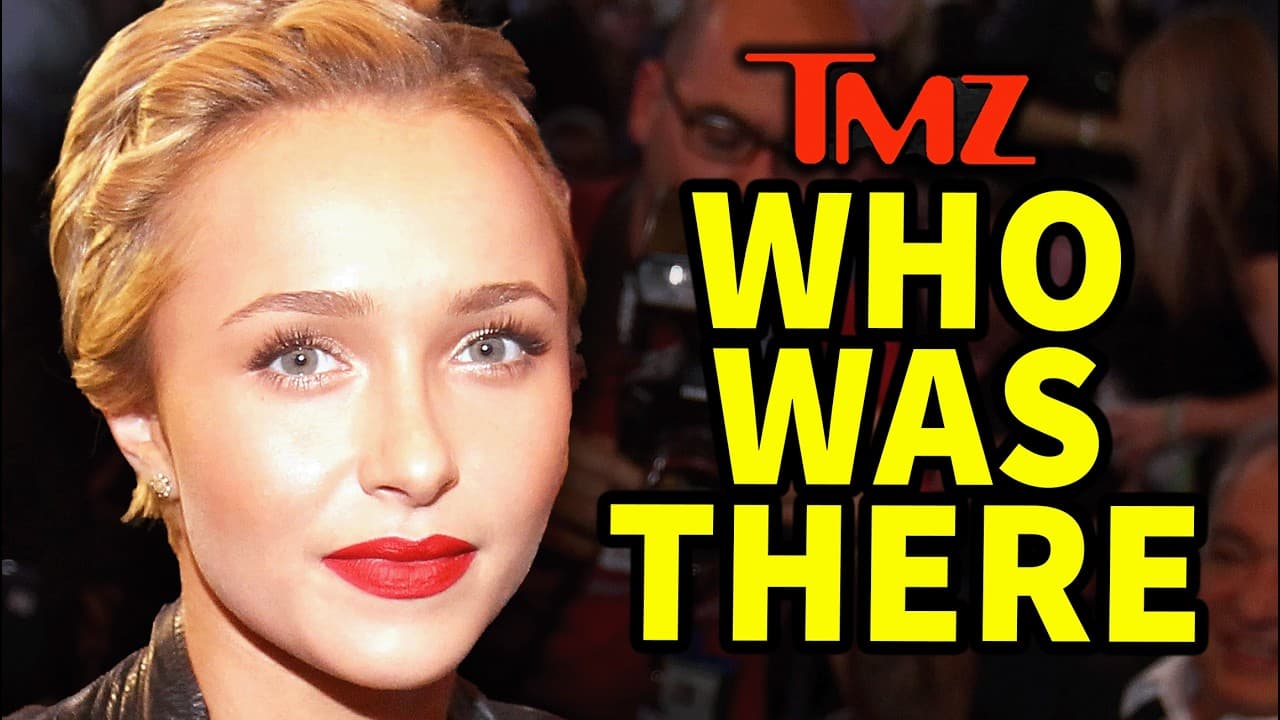
The first public statement from Hayden Panettiere's mother wasn't grief. It was an indictment. Leslie Vogel told NBC News that the man she had spent years trying to remove from her daughter's life. Brian Hickerson. Was present at Hayden's death. She named him. She left the sentence unfinished. That open clause did more work than any conclusion could have.
Within hours, TMZ had obtained details from the Greenville Police Department incident report: Hickerson's brother Zach had found Hayden, had apparently called 911, had been visibly devastated while paramedics worked. Hickerson himself, according to the report, was composed until the moment she was declared dead. He then handed officers a bag of her medications. The toxicology results. Which typically take a month or longer to return. Will eventually answer the clinical question of cause of death. They will not answer the harder one.
That harder question is the one Vogel's statement forces into the open: how does a woman who became one of the most recognizable child stars in American television end up, at 36, in circumstances where her own mother's first instinct is to assign blame? The answer requires understanding not just Brian Hickerson, but the ecosystem that built Hayden Panettiere, broke her down, and never quite figured out how to hold her.
What Leslie Vogel actually said. And what she left out
Hayden Panettiere's mother, Leslie Vogel, publicly stated that Brian Hickerson 'was with her at her death' and that the family had been 'trying to get rid of' him for years, stopping short of a direct accusation but leaving a pointed implication about his role.
Vogel's words, as reported by TMZ on August 18, were chosen with the precision of someone who had rehearsed them. She did not say Hickerson caused Hayden's death. She said he was there. She said they had wanted him gone. She let the proximity do the argumentative lifting. That is a specific rhetorical strategy. One that generates maximum implication while limiting legal exposure.
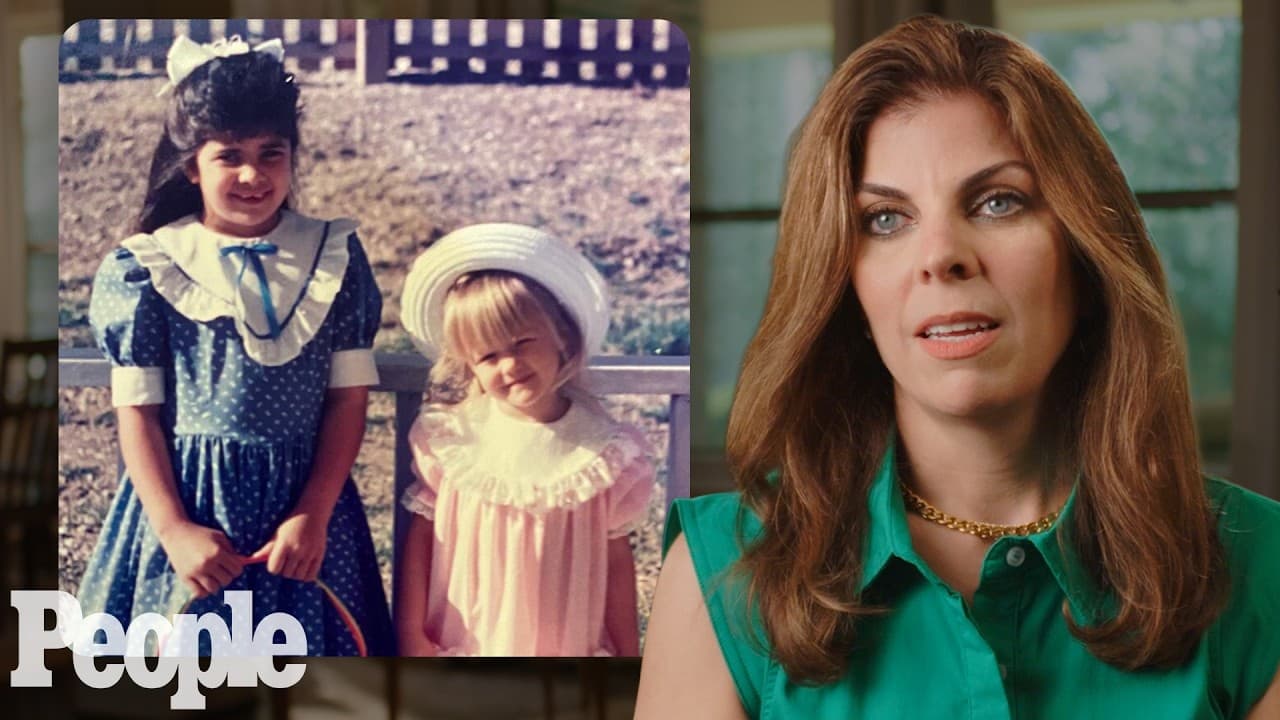
What Vogel did not address is the estrangement. She and Hayden had been distant for years, a rupture serious enough that Hickerson himself. In a TMZ interview conducted three months before Hayden's death. Declined to say anything kind about her mother. The falling-out postdated Vogel's tenure as Hayden's manager, a period during which she steered her daughter through the years of peak fame. The relationship between a stage mother who doubles as a manager and the child she is monetizing is rarely simple. In this case, it apparently fractured entirely.
That context does not invalidate Vogel's grief. It complicates her authority as a narrator. When she speaks about Hayden finding 'the wrong path,' she is doing so from outside the last several years of her daughter's life — see Gayle King Said What the Room Was Thinking About Hayden Panettiere's Mother. She is reconstructing a story she was not present for. That reconstruction may be accurate. It may also be shaped by guilt, or by a mother's need to locate fault somewhere outside herself.
Brian Hickerson's documented history with Panettiere
Brian Hickerson was charged in 2019 with felony domestic violence against Hayden Panettiere, received five years' probation, and was subject to a restraining order. A legal record that frames the family's alarm as grounded, not speculative.
The 2019 case is not allegation. It is court record. Hickerson was charged with felony domestic violence after Panettiere reported being beaten badly enough that she said she could not leave her home for weeks. He served probation. She obtained a restraining order. Those are the established facts. And they are facts that give Vogel's public statement its sharpest edge.
What makes this case more complicated is the word 'codependent,' which TMZ's own reporters used without flinching. Panettiere and Hickerson broke up in the wake of the 2019 charges. Then, according to reporting confirmed by Vogel herself, they quietly reconciled and remained together while maintaining a public fiction of separation. Industry advisors, Vogel said, had told Hayden that being publicly linked to a man convicted of abusing her was a professional liability. So the relationship went underground rather than ending.
Hickerson's own words to TMZ, in that interview three months before Panettiere's death, included an admission that they were 'better off not being together.' That is not the language of someone who has processed and moved on. It is the language of someone still inside something they cannot name. The Greenville incident report, per TMZ's reporting, notes that he handed officers a bag of Hayden's medications when they arrived. A detail that is either the act of a cooperative partner or the act of someone trying to demonstrate cooperation. Possibly both.
"Image management told her to hide the relationship. Hiding it made it harder to leave. That is not a metaphor. That is a mechanism."
What the toxicology report will and won't resolve
The autopsy on Hayden Panettiere was completed the day after her death; the toxicology report, which will identify substances in her system at the time of death, typically takes a month or longer and is expected to be the primary determinant of official cause of death.
Toxicology is science. It will tell investigators what was in Panettiere's system. It will not tell them how it got there, in what sequence, or with whose knowledge. Those are narrative questions, and they will be answered. If they are answered at all. Through witness accounts, phone records, and whatever else the Greenville Police Department's investigation surfaces.
The bag of medications is the detail that will generate the most scrutiny. TMZ's panel noted that Panettiere had been publicly open about her struggles with anxiety and chronic pain. Traveling with a bag of prescription medications is not inherently suspicious. What investigators will want to understand is the composition of that bag, the dosages, and whether any of it could account for what the autopsy found.
The broader point. The one that gets lost in the rush to assign blame. Is that cause of death and culpability are separate questions. The toxicology may show an accidental overdose, a fatal interaction of medications, or something else entirely. None of those outcomes automatically answers who, if anyone, bears moral or legal responsibility for the circumstances that produced them.
The child-star-to-crisis pipeline Panettiere never escaped
Hayden Panettiere's trajectory. From child actor to primetime star to years of documented substance abuse and domestic instability. Follows a pattern common enough in Hollywood that it functions less as personal failure and more as a structural outcome of how the industry uses young talent.
Panettiere was working professionally before she was ten. By the time she hit the franchise peak of Heroes and Nashville, she had spent two decades inside a machine that required her to be performing, photogenic, and commercially viable at all times. The psychological cost of that kind of early professionalization is well-documented in the literature on child actors. And in the wreckage left by enough careers to constitute a pattern rather than an exception. Our earlier deep dive into Hayden Panettiere's life and legacy traced that arc in full.
Vogel's comment to NBC. That the entertainment industry is challenging and 'not unusual for them to sadly find the wrong path'. Is true and inadequate simultaneously. It frames Panettiere's struggles as an industry occupational hazard, which they were. It does not engage with the more specific question of what it costs a child to have her mother also be her manager, to have her emotional and commercial relationships fused from the beginning.
The estrangement between Vogel and her daughter is, in this reading, not a subplot. It is the story. Whatever happened between them. And the transcripts only gesture at the depth of it. Left Panettiere without the family safety net that might have provided some counterweight to a relationship her family considered dangerous. The industry created the conditions. The family rupture removed the support structure. Hickerson moved into the space that remained. That sequence does not excuse anyone. It explains the geometry.
For a broader look at how fame intersects with personal volatility at this level, the film wealth and career profiles we track show just how rarely a child star's financial peak coincides with their personal stability. And how often the two move in opposite directions.
Why the 'secret relationship' detail matters beyond tabloid interest
The confirmation that Panettiere and Hickerson maintained a covert relationship. Publicly presenting as separated while remaining together at industry advisors' urging. Reveals how fame management can trap celebrities in private circumstances that contradict their public personas.
Vogel confirmed what TMZ had reported the day before: Hickerson and Panettiere were together continuously, not intermittently. The on-again-off-again public narrative was managed. Industry people told Hayden, per Vogel's account, that being openly with a man who had been convicted of abusing her was damaging to her image. So the relationship was hidden.
This is a specific kind of celebrity trap. The advice was probably commercially correct. Being associated with a domestic abuser would have cost Panettiere castings, brand deals, and the goodwill of a public that had rooted for her. But the advice also meant she had no legitimate support structure for getting through the relationship. No public accountability, no ability to discuss it openly, no community pressure that might have made leaving easier or safer.
Image management told her to hide it. Hiding it made it harder to leave. That is not a metaphor. That is a mechanism. The people who advised her to keep it quiet may have been protecting her career while inadvertently deepening the trap.
The question of culpability without a verdict
Without toxicology results and with an active police investigation ongoing, no determination of criminal culpability in Hayden Panettiere's death has been made; the public debate about Brian Hickerson's moral responsibility is running ahead of the evidentiary record.
The second TMZ broadcast from August 18 surfaced a tension in real time. The hosts were divided. One argued that anyone who dies in the presence of someone with a history of violence against them demands scrutiny, full stop. Another pushed back: if they were secretly together all this time, there were also periods of stability, and laying everything at Hickerson's feet felt like its own distortion.
That debate reflects a genuine analytical problem. Hickerson's documented violence against Panettiere is real and serious. His presence at her death is a fact. The connection between those two things is not yet established by evidence. Public grief. Especially grief amplified by media. Has a tendency to compress those gaps, to make proximity feel like causation.
The incident report detail about Hickerson's emotional response. Composed until the declaration of death, then overwhelmed. Has already been parsed online as evidence of guilt by some and as the variable, chaotic nature of shock by others. It is, in truth, neither. It is a data point. The toxicology will provide more. Until then, the public verdict is running on narrative momentum, not evidence.
Who speaks for Hayden Panettiere now. And who has the standing to
With Hayden Panettiere estranged from her mother for years and her closest confidants inside a relationship her family rejected, the question of who holds legitimate authority to narrate her life and death is itself contested terrain.
Vogel is Hayden's mother. That relationship is permanent and its weight is real. She is also someone who managed her daughter's career through the years of peak commercial value, had a serious and apparently lasting falling-out with her, and is now speaking publicly. Through NBC News. About what happened in the final chapter of a life she was not part of. The estrangement is not a minor footnote. It is the condition that shapes everything she says.
Hickerson, whatever his conduct, was apparently the person Panettiere chose to be with in the years her family was not present. That does not make him a reliable narrator either. His incentives are obvious. His account of the final hours, whatever it turns out to be, will be read through the lens of his history.
What this leaves is a familiar tragedy of celebrity death: the person at the center cannot speak, and everyone orbiting her has both genuine grief and compromised standing. The public gets to watch the negotiation in real time, via TMZ live coverage and NBC interviews, and draw conclusions from fragments. Panettiere herself. Her documented openness about anxiety, pain, and substance struggles. Is perhaps the most honest narrator available. She said, repeatedly and on the record, that she was fighting hard things. She was right. She was also not heard loudly enough while she was alive to have those fights met with adequate support. That is the part worth sitting with.
What comes next: investigation, media cycle, and the longer reckoning
The Greenville Police Department investigation remains active, and the toxicology results. Expected within a month or more. Will determine the direction of any potential legal proceedings and reset the public narrative around Hayden Panettiere's death.
The investigative timeline is the one thing that can be stated with certainty. Toxicology takes time. The Greenville Police Department incident report is already in the public sphere, in fragmentary form. Any determination of criminal liability. If one comes. Will follow the science, not the media cycle.
The media cycle, meanwhile, will continue to run on Vogel's statement and whatever Hickerson's representatives say in response. TMZ will report what the police surface. NBC will host Vogel. The story will accumulate detail. At some point the toxicology will return and either confirm or reframe the current narrative.
What will not be resolved by any of that is the larger question Panettiere's life poses. About child stardom, about the management of young talent, about the way the industry's image machinery can trap people inside situations they cannot publicly acknowledge. Those questions belong not just to the latest reporting on her death but to a longer reckoning about what Hollywood costs the people it makes famous before they are old enough to negotiate the terms. For anyone tracking the intersection of celebrity economics and human cost, our full net worth and career profiles offer the financial architecture underneath stories like this one. The architecture, as always, tells its own story.