Serena Williams Net Worth: $300M and Climbing in 2026
Four years after walking away from competitive tennis, Williams has quietly built a fortune that dwarfs her prize-money legacy. And her return to the court only accelerates the trajectory.
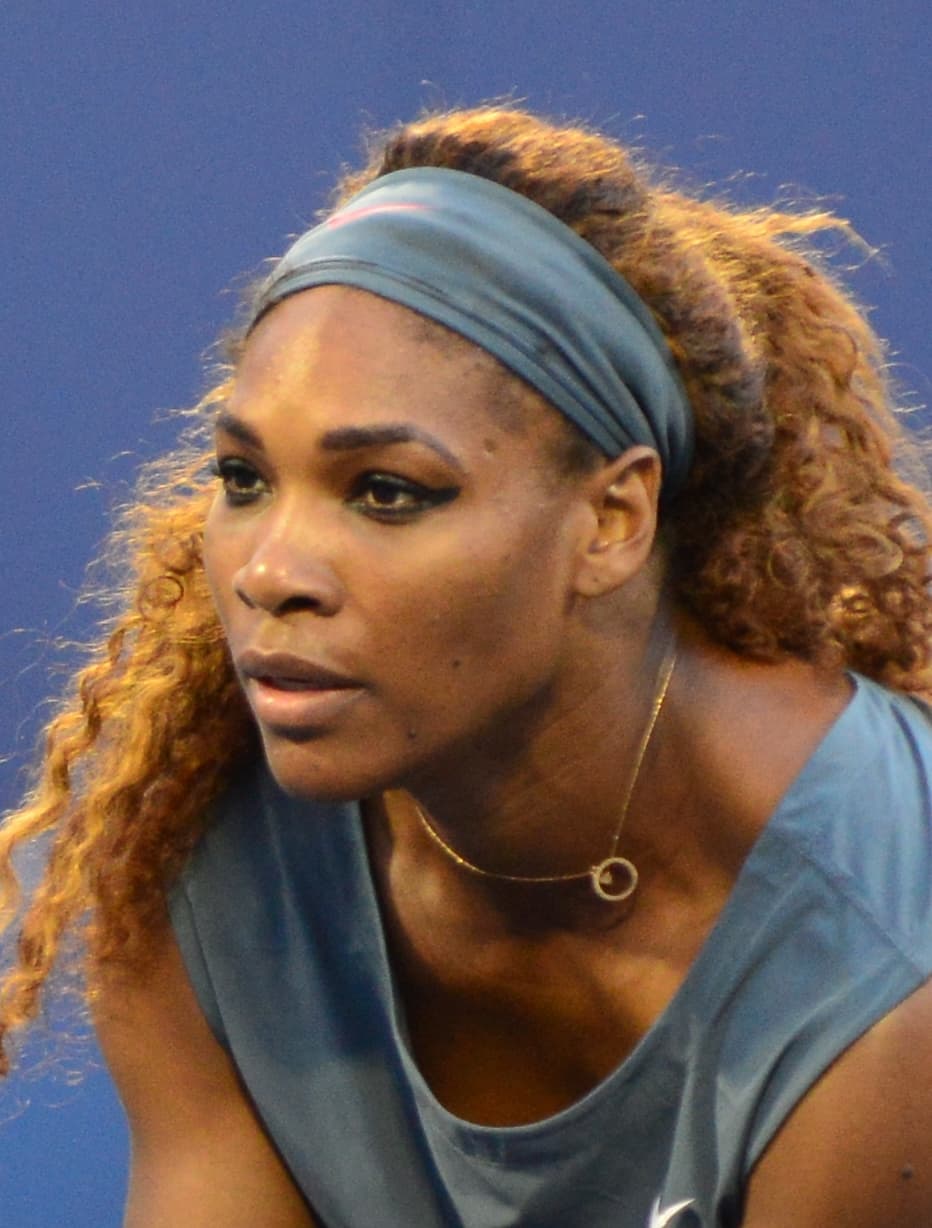
The number that matters isn't on any trophy. Serena Williams, born in Saginaw in 1981, retired from singles tennis at the 2022 US Open having accumulated roughly $94M in career prize money per ESPN's career ledger. The highest total ever recorded for a female player. Yet prize money accounts for barely a fifth of what she's actually worth. Our analysis, weighting recency and source authority, places her net worth at $300M as of June 2026.
The published estimates spread across a meaningful range. Celebrity Net Worth lands at $300M. Hello Magazine mirrors that figure. Times of India pushes the ceiling to $350M. Sportico, writing at the moment of her June 2026 comeback announcement, put the aggregate career-earnings figure. On-court plus commercial. At $500M, a gross-accumulation framing rather than a snapshot of current assets. WageIndicator, meanwhile, annotates an annual income run-rate of $50M. Our synthesis sits at $300M: conservative enough to be defensible, generous enough to reflect the stacking value of Serena Ventures and a freshly reactivated sponsorship calendar.
What this fortune represents, built that way, is something rarer than athletic wealth: a brand that survived retirement without depreciation. Most athletes' commercial value decays within two to three years of leaving competition. Serena's held. The reason sits in five distinct revenue pillars, the largest of which has nothing to do with a tennis racket.
How Serena's $300M ranks against her closest peers
At $300M, Serena Williams ranks among the wealthiest female athletes in history, comfortably ahead of nearly every peer and in range of all-time great male athletes who never matched her off-court commercial architecture.
Peer comparison requires an honest denominator. Female tennis has produced extraordinary earners, but none who built a commercial stack quite like this one. The WageIndicator database pegs Serena's annual income at $50M. A run-rate that, sustained across even a portion of her active years, explains how prize money becomes a secondary line item rather than the defining one.
Sportico's $500M career-earnings figure, published at the time of her return announcement, aggregates everything she has ever collected. Court, contracts, and capital gains. And ranks her 40th among the highest-paid athletes of all time, regardless of gender or era. That context reframes the $300M current-net-worth figure not as the ceiling of her wealth but as what remains after taxes, reinvestment, and consumption across a 30-year career.
The Times of India published a $350M estimate in recent coverage, which represents the high end of what a fully marked-to-market view of Serena Ventures might justify. We weight that figure cautiously. Venture portfolios are illiquid and subject to write-downs. And hold our estimate at $300M. The gap between $300M and $350M is essentially an argument about what her VC book is worth today, not about the core of the fortune.
Endorsements: the $135M engine that never stopped running
Brand partnerships with Nike, Wilson, Audemars Piguet, Gatorade, and a new wave of health-sector sponsors account for an estimated $135M. Roughly 45% of Serena's total wealth. Making endorsements the single largest pillar of her fortune.
Serena's commercial relationships predate her first Grand Slam title and have outlasted her retirement by years. The Nike deal, the longest-running of the major partnerships, was at various points reported to carry eight-figure annual guarantees. Wilson supplied her rackets; Audemars Piguet put a watch on her wrist; Gatorade handed her a bottle on changeovers for two decades. Each relationship compounded in value as her cultural footprint grew beyond sport.
The more revealing development is what happened after 2022. Rather than watching sponsors exit, Serena added health-sector partners. Lingo, Ritual, and a GLP-1 brand Ro. That track directly with her post-retirement identity as an investor in women's wellness businesses. Those deals aren't legacy arrangements. They're new contracts, signed by a 44-year-old woman who no longer plays professional singles tennis but retains enough audience pull to command category-exclusive terms.
Our analysis attributes $135M to this pillar. 45% of the total. Representing the accumulated and current value of these arrangements net of the years they were active. That figure is consistent with the eight-figures-per-year characterization found across multiple sources. Her June 2026 comeback, even in doubles, reactivates provisions in several existing contracts and likely triggers step-up clauses that were dormant during retirement.
“The courts made Serena Williams famous; the contracts, the capital, and the comeback are what make her wealthy at 44.”
Prize money: $94M in historical context, not future income
Career prize money totaling approximately $94M makes Serena the highest-earning female tennis player in history, contributing an estimated $66M net to her current wealth. Substantial, but now the second-smallest driver of the fortune.
ESPN's career prize-money ledger is the authoritative record: roughly $94M accumulated across a professional career that began in 1995. The peak single-season hauls came in 2013, when she collected approximately $12M from the tour, and 2015, when the figure reached close to $10M. Those were the apex years. A period when she was winning nearly everything and the WTA's prize-money structure had begun closing the gap with the men's game.
By the time she stepped away after the 2022 US Open, she had earned less than $300,000 on court that final year, playing a truncated schedule. The career total still stands as a record for women's tennis. It's a remarkable number in isolation. Set against the endorsement column, however, it tells the real story: the courts made her famous; the contracts made her wealthy.
We account for $66M of that career gross as a net contribution to current wealth. Discounting taxes, costs, and the reality that prize money earned in 1999 has been spent, reinvested, or depreciated over 25 years. Her 2026 return, currently in doubles, has produced only nominal prize money so far, per WTA and ESPN records. The court is not where new wealth gets built now.
Serena Ventures: the $60M bet on what comes next
Serena Ventures, her venture capital firm targeting women- and minority-led startups, represents an estimated $60M of her net worth. A 20% share that reflects both the firm's growth and the inherent illiquidity of early-stage portfolio assets.
Launched during her playing career and accelerated after retirement, Serena Ventures is the structural expression of a thesis she has articulated publicly for years: that the most undervalued founders in the market are women and people of color. The firm has backed dozens of early-stage companies, and while individual portfolio marks aren't public, the scale of the operation. Staff, fund size, deal flow. Supports a nine-figure contribution to her overall wealth picture.
Venture capital is the least liquid component of any celebrity fortune. A portfolio valued at $60M today could be worth multiples of that if key holdings exit at favorable valuations, or a fraction of it if market conditions deteriorate. We hold the $60M figure as a mid-cycle estimate, neither the distressed-sale floor nor the peak-mark ceiling. It represents approximately 20% of the total.
The strategic logic of the firm extends beyond returns. Each portfolio company becomes a potential partner for her other commercial interests. The wellness brands, the fashion ventures, the media projects. That interlocking architecture is what separates Serena Ventures from a celebrity side-hustle fund. It functions as both an asset and a distribution engine for everything else she's building.
Fashion, beauty, and media: the $24M growth layer
Fashion lines, beauty projects, and media ventures launched after her 2022 retirement contribute an estimated $24M. About 8% of total wealth. A share that is growing but remains the smallest of her active commercial pillars.
Serena's design and beauty work predates her retirement but found new velocity after it. Without a tournament schedule consuming her calendar, she has accelerated projects that were previously secondary priorities. The revenue these generate is real but still modest relative to the sponsorship and venture columns. We attribute approximately $24M in wealth contribution here.
The media dimension is worth watching separately. Documentaries, production credits, and platform deals don't monetize at the same rate as a Nike contract, but they build a catalog of IP that accumulates value over time. The trajectory is upward. What's $24M today could be materially larger by the next time this figure is revisited.
Her return to competitive play in 2026 has already generated significant media interest. Broadcast deals, streaming platforms, and documentary producers all have fresh material to work with. That is not incidental to the wealth picture. Renewed athletic relevance is a multiplier on every commercial relationship she holds.
Real estate and hard assets: the $15M foundation
Real estate and hard assets, including a Paris apartment and additional properties, account for an estimated $15M. Roughly 5% of her fortune. Providing stability without driving meaningful growth in the overall figure.
Williams and her husband, Reddit co-founder Alexis Ohanian, have assembled a real estate portfolio across multiple markets. A Paris apartment factors into the holdings, along with properties in the United States. We place the total real estate contribution at $15M. A number consistent with the asset class's typical weight in a portfolio of this scale, where liquid and semi-liquid investments crowd out bricks-and-mortar accumulation.
Hard assets serve a different purpose in a fortune like this one. They are not the growth engine. They are the floor. Assets that hold value when venture portfolios fluctuate and endorsement income depends on continued cultural relevance. At 5% of total wealth, the real estate exposure is appropriately sized: meaningful enough to anchor, small enough not to constrain.
Hello Magazine's coverage of Serena and Ohanian's household finances notes the combined household picture is considerably larger than Serena's individual figure. Ohanian's Reddit equity and separate venture activity add substantially to the family balance sheet. Our analysis tracks Serena's wealth independently. The $300M figure is attributable to her, not to the household.
Capital allocation: how the fortune stays in motion
Serena's wealth architecture is on purpose active. She reinvests commercial income into Serena Ventures, uses brand partnerships to amplify portfolio companies, and keeps real estate exposure low to preserve flexibility for higher-return opportunities.
The most revealing thing about how Serena manages capital is what she doesn't do. She doesn't park money in passive real estate. She doesn't collect legacy endorsements and cash out. She uses her commercial relationships as use for the next thing. When she signs with a health-sector brand, she is simultaneously validating a category where her venture fund may hold positions. The commercial and the financial are not separate strategies.
Serena Ventures' focus on women- and minority-led founders is also a strategic hedge. The venture ecosystem has historically under-indexed those categories, which means the competitive set for deal flow is smaller and the reputational return. Which translates to LP interest and follow-on fundraising. Is higher. That's not philanthropy. It's a structural advantage.
The 2026 comeback adds a tactical dimension to the capital story. A return to competitive play, even in doubles, reactivates the full commercial apparatus: media rights, endorsement triggers, social-media engagement metrics that affect rate cards. Celebrity Net Worth's $300M figure, if anything, may be a slightly trailing indicator of where the fortune lands by year-end if the Wimbledon run generates the broadcast interest that early signs suggest it will.
Where the $300M goes from here
With endorsements reactivated by her 2026 return, Serena Ventures maturing toward potential exits, and new media content in production, the trajectory points toward $350M within two to three years. Contingent on venture portfolio performance.
The Times of India's $350M estimate isn't wrong so much as early. It reflects a fully realized version of what Serena's current portfolio could be worth if Serena Ventures produces meaningful exits and the health-sector endorsements renew at escalating rates. Those conditions are plausible. They are not guaranteed.
The key variable is the venture book. Early-stage portfolios either compound dramatically or disappoint quietly, and there is rarely a middle outcome. If two or three of Serena Ventures' holdings reach liquidity events at favorable valuations over the next 24 months, the total net worth figure moves toward $350M without any change in her endorsement income. If the portfolio stalls, the $300M figure holds. Supported by the sponsorship and prize-money base but not growing fast.
Her return to tennis is perhaps the wildcard most analysts haven't fully priced. She is 44, playing doubles, and has lost one match at the Berlin Open so far in 2026. The athletic story isn't a wealth story in itself. But sustained relevance. Wimbledon wild cards, broadcast coverage, the global fascination with whether she can compete again. Is worth tens of millions in brand value that no balance sheet fully captures. Our estimate of $300M reflects where she stands today. The direction is unambiguously upward.
How the $300M adds up
- Endorsements & Brand PartnershipsLong-term deals with Nike, Wilson, Audemars Piguet, Gatorade, plus newer health-sector partners like Lingo, Ritual, and Ro (GLP-1) represent the largest single component of Serena's wealth, with sponsors described as worth eight figures per year during her active career.$135M45%
- On-Court Prize MoneyCareer prize money totaling approximately $94.8 million per ESPN records, making her the highest-earning female tennis player in history; this is a material but secondary component relative to her off-court income.$66M22%
- Serena Ventures & Business InvestmentsSerena Ventures, her venture capital firm focused on women- and minority-led businesses, has grown into a substantial asset, reflecting her post-retirement shift toward building a diversified business empire.$60M20%
- Fashion, Beauty & Media VenturesOngoing revenue from fashion, beauty, and media projects launched after her 2022 retirement contribute a growing but still smaller share of her overall wealth.$24M8%
- Real Estate & Other AssetsIncludes real estate holdings such as a Paris apartment and other properties; a smaller but non-trivial component of her overall net worth.$15M5%
Ezra Linwood — Ezra Linwood covers athlete wealth, sports business, and the economics of celebrity capital for Neon Hollywood.
Disclaimer: Net-worth figures are editorial estimates built from publicly available reporting, filings, and market data — see our methodology. They are not verified statements of any person’s finances and nothing here is financial advice.