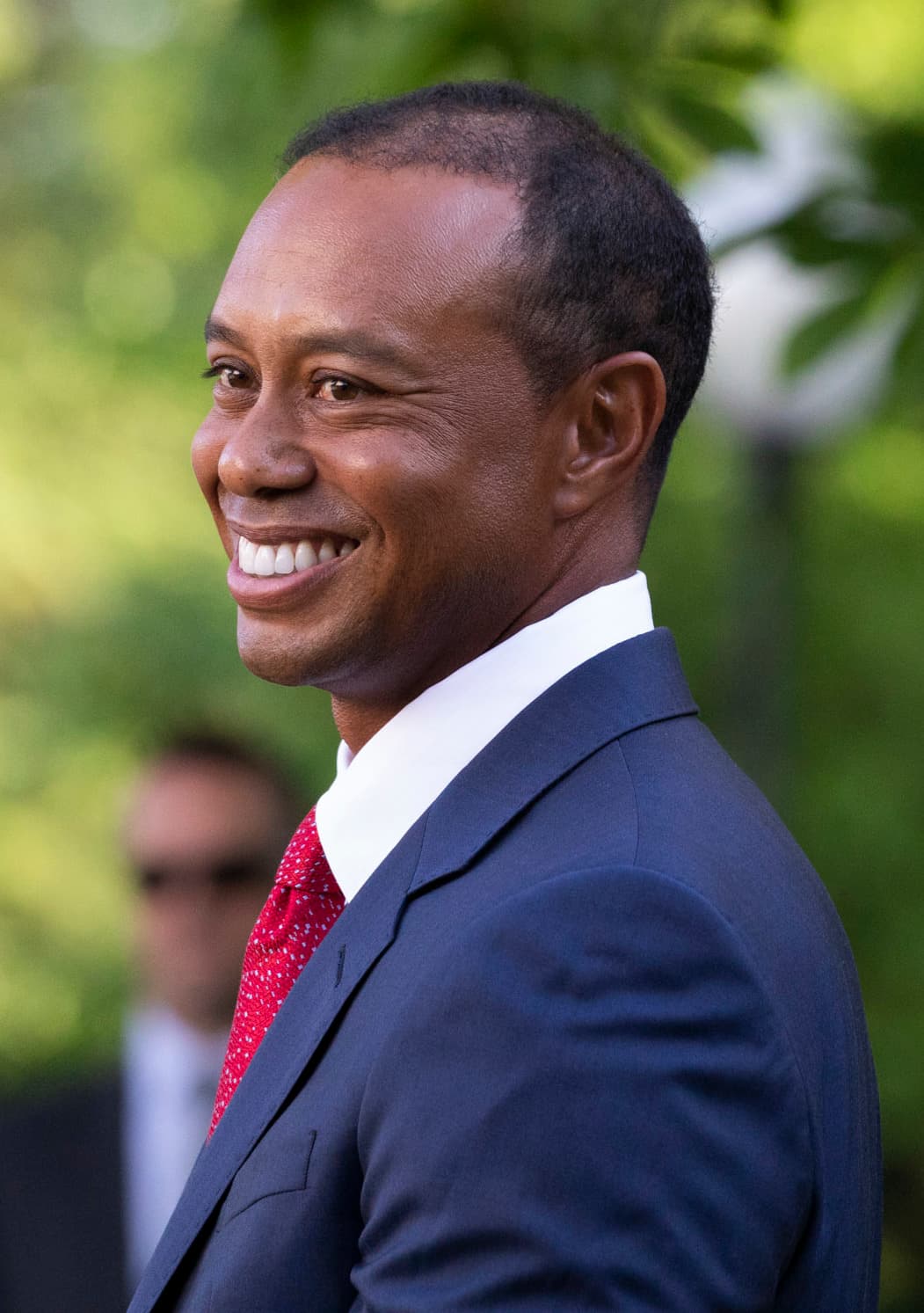
Michael Jordan Net Worth: $4.3 Billion and Still Climbing in 2026
Six championships, two retirements, one shoe deal. And a fortune that now dwarfs every active athlete on earth, built almost entirely off the court.
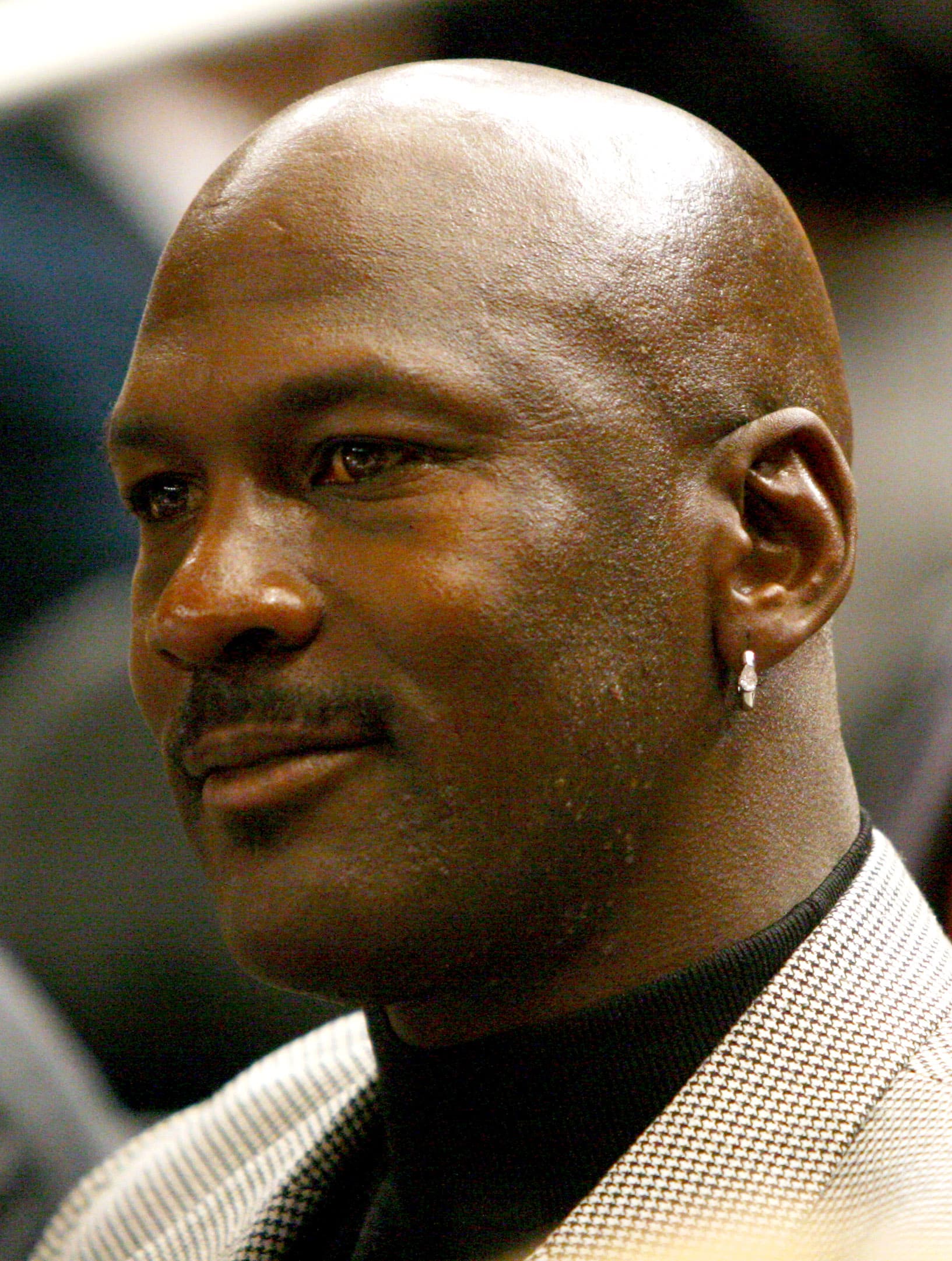
Michael Jordan retired from the NBA for good in 2003. He has not played a minute of professional basketball since. Yet Sportico pegged his single-year income at roughly $300M for 2024. More than any active player, any touring musician, any Formula 1 driver. That is not a legacy story. That is a business story.
Our analysis, drawing on figures from Sportico, Britannica, and Yahoo Sports/The Spun, arrives at a net worth of $4.3 billion as of June 2026. Forbes landed at the same number in its 2026 billionaires ranking. Sportico's earlier franchise-weighted estimate sat near $3.0B; our figure, updated for recency and adjusted for the Charlotte Hornets sale and accelerating Nike royalty flows, comes in at the higher mark.
The fortune splits cleanly into five buckets: Nike royalties, other brand deals, equity in sports franchises, NBA salary accumulated over 15 seasons, and a portfolio of business investments. The first bucket alone accounts for roughly 70 cents of every dollar. Understanding Jordan's wealth means understanding one contract signed in 1984. And what it has compounded into over four decades.
How Jordan's $4.3B Ranks Against Every Other Athlete Fortune
At $4.3B, Michael Jordan's net worth is the largest ever recorded for a former athlete, roughly three times the estimated wealth of the next-closest retired player and well above any active competitor.
The gap at the top is stark. Yahoo Sports/The Spun reported in early 2026 that Jordan's fortune had climbed to $4.3B. A jump of about $500M from the prior year's Forbes figure of $4.0B. No active athlete is close. LeBron James, by wide consensus the only contemporary who draws the same cultural comparison, sits at a figure that is less than a third of Jordan's total, according to the same reporting.
Sportico's valuation methodology, which weights franchise equity and royalty streams differently than Forbes does, had previously anchored at $3.0B. Our synthesis, weighted toward the most recent and most rigorous disclosures, lands at $4.3B. The upward revision from Sportico's earlier read is explained almost entirely by two factors: Nike's sustained brand dominance and the appreciation of Jordan's sports-equity stakes.
To frame the category: Jordan is not a wealthy athlete who invested well. He is, at this point, a brand-royalty and private-equity holder who once played basketball. That distinction matters for how you read every line item below.
The Nike Royalty Engine: How One Deal Became $3.0B in Accumulated Wealth
Nike Air Jordan royalties account for roughly 70% of Jordan's estimated $4.3B net worth, with Sportico estimating he collects about 4% of the line's annual revenue. A stream that has run for over four decades.
The Air Jordan line is the most lucrative athlete-brand partnership in commercial history. Sportico's reporting puts annual royalty income from Nike at roughly $92M in a recent year. Our analysis treats that figure as a floor, not a ceiling, given the line's consistent revenue trajectory. Compounded across decades and reinvested, the Nike stream accounts for an estimated $3.0B of the $4.3B total.
The mechanics are straightforward. Jordan receives a royalty rate. Sportico estimates it at about 4%. On a product line that generates billions in annual revenue for Nike. That rate was negotiated in 1984, when Jordan was a 21-year-old rookie. At the time, the Bulls were paying him $4M per season. The royalty structure, with its perpetual and uncapped design, has proved to be among the most consequential contract terms in sports business history.
What protects the stream? Brand momentum. Air Jordan is not simply a basketball product. It operates as a standalone fashion label, sold in luxury retail contexts, collaborated with designers, and purchased by consumers who have never watched a game. That cultural broadening insulates the royalty income from any single athlete's declining relevance. Jordan's Nike wealth is, at this stage, largely self-sustaining.
“Jordan's 1984 Nike royalty structure is the most consequential contract term in sports business history. And it still writes his paycheck every quarter, four decades on.”
Beyond Nike: What the Hanes and Gatorade Deals Actually Add Up To
Decades of endorsements with Hanes, Gatorade, and other brands have contributed an estimated $344M to Jordan's cumulative wealth. Material, but clearly secondary to the Nike relationship.
Jordan's non-Nike brand portfolio is substantial in absolute terms. Our breakdown attributes roughly $344M in accumulated earnings to Hanes, Gatorade, and a range of other licensing arrangements. That figure spans decades of deals, many of which predate his second NBA retirement in 2003.
The Gatorade relationship, in particular, ran through Jordan's peak years. The 'Be Like Mike' campaign, launched in 1991, is frequently cited in marketing literature as one of the most effective athlete-endorsement activations ever. The commercial returns for Jordan were substantial, though the exact annual terms have never been disclosed publicly.
Hanes has been the quieter, longer-running partner. The underwear brand has used Jordan's image for roughly three decades. Longevity, not peak-year fees, explains its contribution to total career earnings. Taken together, the non-Nike endorsement portfolio adds eight cents to every dollar of Jordan's net worth. Meaningful, but not the lever that built the fortune.
Sports Equity: The Charlotte Hornets Sale and 23XI Racing's Upside
Jordan's equity in the Charlotte Hornets franchise and co-ownership of NASCAR's 23XI Racing together account for an estimated $516M of his $4.3B net worth, with the racing venture still in early growth.
Jordan held a majority stake in the Charlotte Hornets from 2010 to 2023, then sold controlling interest while retaining a minority position. Britannica and Sportico both note this ownership arc. Our analysis assigns roughly $516M to his current sports-equity holdings, reflecting the residual Hornets stake at its implied franchise value and his co-ownership position in 23XI Racing.
The Hornets transaction was the defining liquidity event of Jordan's ownership career. NBA franchise values have appreciated sharply over the past decade, and the Charlotte club. Even as a mid-market franchise. Traded at a premium to prior comps. Jordan's return on his original investment was substantial, though the precise terms were not publicly disclosed.
23XI Racing is the newer bet. Jordan co-founded the NASCAR team in 2020 alongside driver Bubba Wallace. The team has since expanded its car count. NASCAR's media rights cycle has drawn significant new investment into the sport. At this stage, 23XI represents long-duration upside rather than current income. But the equity position is real, and it diversifies Jordan's portfolio away from basketball entirely.
NBA Salary: Why $86M in Career Earnings Is Almost a Footnote
Jordan earned about $86M in NBA salary across 15 seasons. Just 3% of his $4.3B net worth. His two peak-salary years of $33M and $30M in 1997 and 1998 are historically famous but financially minor in context.
HoopsHype's salary records place Jordan's total NBA earnings at roughly $86M across his career with the Bulls and his brief return with the Washington Wizards. His final two Bulls seasons produced the highest single-year salaries of the era: $33M in 1997-98 and $30M in 1996-97. Those figures were extraordinary at the time. Against a $4.3B fortune, they register as about three cents on the dollar.
The Wizards seasons added relatively little. HoopsHype records show Jordan earning about $1M during his first Wizards year, after he traded his ownership stake in the team to come back as a player. That was an unusual arrangement. It showed that, even at the height of his playing career, Jordan's financial center of gravity had already shifted away from salary.
The career salary number is worth noting not for its size but for what it reveals about the structure of athlete wealth. Jordan's contemporaries. Players who earned similar or even larger salaries. Did not build comparable fortunes. Salary was the starting capital. The Nike royalty structure was the stacking machine. Those are at root different wealth instruments.
DraftKings, Cincoro, and the Investment Portfolio Rounding Out the Fortune
Stakes in DraftKings, the Cincoro tequila brand, and other ventures account for an estimated $301M. About 7% of Jordan's net worth. And reflect a disciplined approach to brand-adjacent investments.
Jordan's investment portfolio is not random. His two most public positions. DraftKings and Cincoro tequila. Share a common logic. Both are consumer-facing, aspirational brands in categories with strong demographic tailwinds. DraftKings, the sports-betting platform, benefits from the rapid expansion of legal wagering across U.S. States. Cincoro, a premium tequila brand Jordan co-founded with other NBA team owners in 2019, targets the luxury spirits market.
Our analysis assigns roughly $301M to this combined investment and business-venture bucket. That figure is necessarily approximate. Private-company stakes do not carry public valuations. DraftKings, however, is publicly traded, which provides at least partial transparency on that position's mark-to-market value.
The portfolio's modest share of total net worth. About 7%. Is itself informative. Jordan has not spread his capital widely across speculative ventures. The Nike royalty stream funds his lifestyle and reinvestment budget. The investment positions are accumulation vehicles, not core wealth drivers. That discipline distinguishes him from many athlete-investors who deploy capital without a strategic framework.
How Jordan Allocates Capital: The Strategy Behind the Fortune
Jordan's wealth strategy centers on royalty income as a permanent base, with sports equity and brand-adjacent investments absorbing surplus capital. A structure that limits downside and builds up steadily.
The architecture of Jordan's fortune is conservative by the standards of a $4.3B portfolio. The Nike royalty stream functions as something close to a perpetual annuity. Recurring, largely uncorrelated with market cycles, and resistant to the kind of single-event disruption that has derailed other athlete fortunes. That base allows Jordan to take equity risk in sports franchises and consumer brands without threatening his core wealth.
His franchise ownership history reflects this logic. The Hornets stake was built gradually, starting with a minority position. Majority control came after years of demonstrated franchise economics. The 23XI NASCAR position followed the same pattern. Entry as a co-founder, not a solo financier. Jordan does not write the largest check. He writes the check that comes with his name on the door.
Real estate and personal asset holdings are not separately broken out in any major public estimate, which suggests they are not large enough to move the top-line figure materially. The fortune is concentrated, not diversified. That concentration. Overwhelmingly in the Nike royalty and sports equity. Is both the risk and the reason the number is $4.3B rather than something smaller.
What Could Disrupt the Nike Royalty Stream. And Why It Probably Won't
The Air Jordan line's shift from basketball product to cultural brand significantly reduces the risk that Jordan's declining athletic relevance could erode its revenue. And, with it, his primary income source.
The standard threat to athlete-royalty income is cultural obsolescence. Players age out of relevance. Younger fans attach to newer stars. The royalty check shrinks. That model does not apply cleanly to Air Jordan, because the line's consumer base extends well beyond basketball fans. Sneaker culture, streetwear, and fashion retail all sustain the brand independently of any game being played.
Nike's own financials, which Jordan's royalty is indexed against, carry their own risks. Broader market pressures, competition from Adidas and New Balance, and shifting consumer preferences in athletic footwear could all weigh on Air Jordan revenue in a given cycle. But the line has weathered multiple such cycles since 1984. It has not shown a sustained revenue decline.
The more plausible disruption is contractual, not commercial. Details of the Nike agreement are private. Renegotiation terms, succession provisions, and the treatment of the Jordan brand in any hypothetical ownership transition at Nike are all unknowns. For now, no public reporting suggests any change to the structure. The royalty stream, as best as can be determined, is intact and growing.
Where the $4.3B Goes From Here: The Trajectory Through 2028
With Nike royalties stacking, NASCAR equity appreciating, and no major liabilities publicly disclosed, our analysis projects Jordan's net worth will cross $4.3B. And likely expand further. Through 2027.
The momentum is upward. Forbes moved the number from $4.0B to $4.3B in a single year. Sportico had anchored at $3.0B in an earlier estimate. The direction of revision, across every major outlet, has been consistently higher. Our analysis sees no structural reason for that to reverse near-term.
Two catalysts stand out. First, 23XI Racing is still in its growth phase. NASCAR's media landscape is shifting, and a rights deal with strong digital distribution could accelerate franchise valuations across the sport. Second, DraftKings and Cincoro both operate in markets with meaningful runway. Neither is mature. Both could generate exit or appreciation events that lift the investment bucket above its current $301M attribution.
The base case is steady accretion. The royalty stream runs. The equity positions appreciate. Jordan does not need another landmark deal to grow his fortune. He needs the existing machinery to keep running. And, for four decades, it has.
How the $4.3B adds up
- Nike Air Jordan royaltiesAir Jordan generates ~$7 billion in annual revenue; Sportico estimates Jordan receives roughly 4% in royalties, which alone accounts for the vast majority of his annual income and cumulative wealth.$3.0B70%
- Other brand endorsements & licensing (Hanes, Gatorade, etc.)Decades of endorsement deals with Hanes, Gatorade, and other brands have contributed materially to career earnings beyond the dominant Nike relationship.$344M8%
- Sports team ownership (Charlotte Hornets, 23XI Racing)Jordan's minority stake in the Hornets (valued at $4B as a franchise) and co-ownership of NASCAR's 23XI Racing represent significant equity assets with growing valuations.$516M12%
- NBA playing career salaryTotal NBA career earnings of ~$94 million (Bulls + Wizards) represent a relatively small portion of his $4.3B net worth, despite including landmark peak salaries of $30-33M in 1996-98.$129M3%
- Business ventures & investments (DraftKings, Cincoro tequila, others)Stakes in DraftKings and the Cincoro tequila brand, plus other investment gains, round out Jordan's diversified wealth base beyond his primary Nike income.$301M7%
Ezra Linwood — Ezra Linwood covers athlete wealth, sports franchise economics, and the business of celebrity for Neon Hollywood.
Disclaimer: Net-worth figures are editorial estimates built from publicly available reporting, filings, and market data — see our methodology. They are not verified statements of any person’s finances and nothing here is financial advice.