Mel Gibson Net Worth: How $425M Survived Hollywood's Harshest Decade
A self-financed religious epic, not a franchise paycheck, is what turned Gibson's career fortune into a nine-figure estate. And the math still surprises.
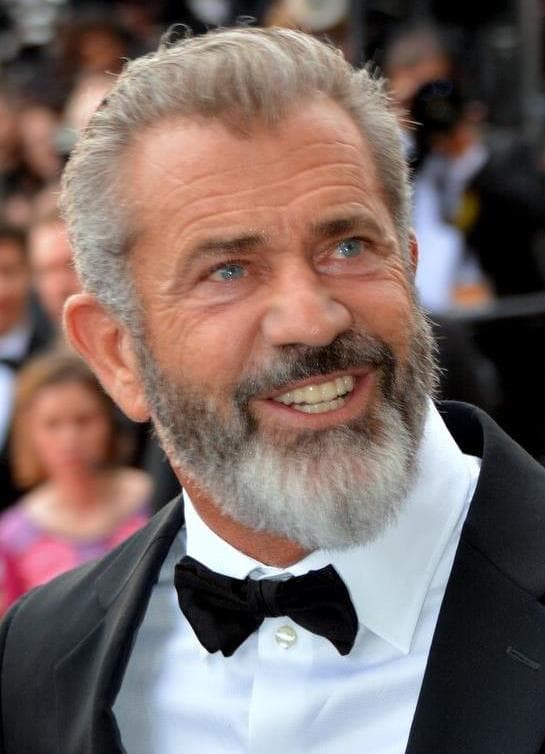
Mel Gibson turns 70 in 2026 with a fortune that defies easy categorization. He is not a tech billionaire who stumbled into film. He is not a legacy actor coasting on residuals. He is something rarer: a filmmaker who bet his own capital at the precise moment when studios refused to, and won so completely that the winnings reshaped his entire financial profile.
Our analysis. Weighting Celebrity Net Worth's March 2026 figure, IMDb's August 2024 data point, and Social Life Magazine's most recent estimate. Arrives at $425 million as of June 2026. The spread among published sources is wider than that headline suggests. Social Life Magazine has floated figures ranging from roughly $412 million to as high as $425 million across different publication cycles; Celebrity Net Worth, in an earlier pass, landed near $475 million before settling its 2026 figure at the same $425 million anchor. Screen Dollars pegged the number far lower, at $25 million, a figure our analysis treats as an artifact of methodology rather than evidence.
What makes the Gibson fortune built that way unusual is its concentration. One film. A self-financed Aramaic-language Passion narrative released in 2004. Accounts for more than half the wealth. Strip that single bet out, and you have a well-compensated A-list career. Keep it in, and you have one of the most efficient wealth-creation events in Hollywood history.
Where Gibson's $425M Ranks Among Peer Directors
At $425M, Gibson sits above most working actor-directors but well below the studio-ownership tier. His fortune is built on equity participation, not passive royalties.
Among actor-directors of his generation, Gibson occupies an interesting middle tier. He is comfortably above peers who stayed purely in front of the camera and collected flat fees. He sits below the handful of filmmakers. Think Spielberg, Lucas. Who captured back-end points on franchises that kept printing revenue for decades.
The distinction matters. Gibson's wealth is not a passive royalty stream. It required active risk-taking: writing checks, guaranteeing production loans, and releasing a film that no major studio would touch. That model is closer to private equity than to conventional Hollywood compensation.
Celebrity Net Worth's earlier estimate of $475 million suggested even more upside before settling at $425 million in its March 2026 update. Our analysis treats $425 million as the defensible central figure. Conservative enough to account for ongoing legal costs and tax drag, high enough to reflect the enduring cash flows from his production catalog.
The Passion of the Christ: A $233M Equity Windfall
Gibson's roughly 50% equity stake in The Passion of the Christ generated an estimated $233M. Over half his current net worth. From a film he self-financed after studios passed.
The single largest line item in Gibson's wealth breakdown is his equity stake in The Passion of the Christ. Our analysis attributes about $233 million. Roughly 55% of his total fortune. To that one project. No other item comes close.
The film cost about $30 million to produce. Gibson and his Icon Productions financed it independently after every major studio declined. It went on to gross hundreds of millions globally, with Gibson retaining approximately half the net profit as the controlling equity holder. The return on that capital deployment was extraordinary by any standard.
What the raw number understates is the psychological use the bet required. In 2003, an Aramaic-language film depicting the final hours of Jesus Christ, with no bankable co-stars and no studio marketing budget, looked like career suicide. Gibson wrote the checks anyway. The theatrical run alone validated the wager. Home video and licensing extended it further.
Social Life Magazine noted the film's outsized role in Gibson's finances, though its figures varied across publication dates. Our weighted read of those claims. Cross-referenced against Celebrity Net Worth and IMDb's more anchored estimates. Supports the $233 million attribution as the most defensible figure.
“The Passion of the Christ was not a movie gamble. It was a private equity bet placed by a filmmaker who understood his own audience better than any studio did.”
Acting Fees and Back-End Points: Lethal Weapon and Beyond
Three decades of A-list acting fees and back-end participation. Primarily from the Lethal Weapon franchise and Mad Max. Account for roughly $106M, or about 25% of Gibson's net worth.
Before Gibson directed a single frame, he was one of the highest-paid actors in Hollywood. The Lethal Weapon series. Four films across roughly fifteen years. Generated close to a billion dollars at the global box office. Gibson held back-end points (a share of profits paid after a film recoups costs) on multiple entries. Mad Max added an earlier foundation, establishing him internationally before American studios came calling.
Our breakdown allocates about $106 million, or roughly 25% of total wealth, to this acting and participation income. That is a large number in isolation. Relative to the Passion equity, it reads as the supporting act.
The acting tier also includes a long tail of mid-career blockbusters. Braveheart on-screen fees separate from his directing cut, The Patriot, Ransom. Where Gibson commanded fees that would rank among the highest per-picture payments of the 1990s. IMDb's 2024 reporting corroborated his status as a top earner across that era, without attaching specific per-picture figures our analysis can independently verify.
One complicating factor: a decade of industry blacklisting following his 2006 arrest and subsequent controversies. Gibson was largely frozen out of studio productions from roughly 2006 to 2016. That gap cost him acting income. It also cost him directing commissions. The fortune survived because The Passion equity was already banked.
Icon Productions: The $51M Ownership Engine
Icon Productions, Gibson's independent production company, contributed roughly $51M. About 12% of net worth. Through ownership stakes in Braveheart, Apocalypto, Hacksaw Ridge, and related projects.
Gibson founded Icon Productions in 1989, and the company has functioned as both a creative vehicle and a profit center. When Gibson directs through Icon, he is not merely collecting a director's fee. He holds equity in the underlying film. That is a built that way different compensation model from the work-for-hire arrangements most Hollywood talent accepts.
Our analysis assigns roughly $51 million. About 12% of total wealth. To Icon's cumulative contribution. That figure spans Braveheart's producing profits, Apocalypto's surprisingly strong theatrical run given its indigenous-language format, and Hacksaw Ridge, which earned Gibson his second Best Director Oscar nomination and performed well against its modest budget.
Icon also functions as a hedging mechanism. When Gibson's acting fees dried up during his blacklisting period, the company kept producing. It gave him a seat at the table. And a share of profits. Even when studios would not cast him in front of the camera. That institutional continuity is part of why his net worth held up through a decade of professional turbulence.
Real Estate and Investment Holdings: The Diversified Base
Real estate and broader investments account for roughly $34M. About 8% of Gibson's wealth. Spread across multiple properties, with no single asset dominating this tier.
The real estate and investment layer of Gibson's portfolio is the least documented tier of his wealth. Our analysis attributes about $34 million, or 8% of the total, to this category. Sources reference property holdings across multiple locations without attaching granular per-asset figures we can independently confirm.
What is known: Gibson has owned significant properties in the United States and internationally over his career. He sold and relocated assets across different life stages, including his divorces and their associated financial restructurings. The net figure reflects current holdings after those disposals.
The investment portfolio beyond real estate is similarly opaque. Wikipedia's entry references a 'Jersey Leaks' disclosure. A reference to offshore financial structures. Though the dollar implications for his net worth are not publicly quantified. Our estimate treats the $34 million real estate and investment figure as a floor, not a ceiling, for this category.
The Divorce Settlement and What It Actually Cost
Gibson's 2011 divorce from Robyn Moore. One of Hollywood's largest. Transferred substantial assets but left him with an estimated $425M, suggesting pre-settlement wealth well above that figure.
The divorce from Robyn Moore, finalized in 2011, is the number that haunts every Gibson net-worth conversation. The settlement is estimated at between $400 million and $425 million. One of the largest celebrity divorce payouts on record. Gibson had no prenuptial agreement.
The math implies something striking. If he settled at roughly $425 million and retains $425 million today, his pre-settlement estate was substantially larger. Social Life Magazine's outlier figure of $950 million. The highest claim in our extracted data. Reads as a plausible pre-settlement estimate rather than a current figure. Our analysis does not adopt it as a current value, but it contextualizes the scale of what The Passion of the Christ created.
Post-settlement, Gibson rebuilt. The Icon Productions income stream continued. Acting fees. Reduced but not eliminated. Kept accumulating. The Passion equity, already harvested, had been converted into diversified assets before the divorce proceedings concluded. That sequencing mattered enormously.
Celebrity Net Worth's earlier $475 million estimate may reflect a snapshot taken before additional legal costs and tax settlements were fully accounted for. The $425 million figure our analysis endorses represents the post-all-costs, current-assets number.
How Gibson Allocates Capital: The Independent Studio Logic
Gibson consistently deploys capital as an equity owner rather than a talent-for-hire, using Icon Productions to retain profit participation that standard studio deals would strip away.
The pattern across Gibson's career is consistent. He takes equity when others take fees. He self-finances when studios want control. The Passion of the Christ is the extreme case, but the logic runs through his entire producing career.
This approach carries real risk. Self-financing means absorbing losses if a film fails. Apocalypto was a qualified success; other Icon projects have underperformed. But the upside capture on hits. Particularly The Passion. Dwarfs what a conventional producer's fee would have generated.
The strategy also keeps Gibson's name attached to projects as an owner, not just a contributor. That ownership status affects how residuals, licensing fees, and sequel rights flow. It is a capital allocation philosophy, not an accident of ego.
Screen Dollars' estimate of $25 million. The lowest figure in our dataset. Likely reflects only quantifiable current-year income rather than total accumulated wealth. It is a cash-flow snapshot, not a balance-sheet reading. Our analysis treats net worth as a balance-sheet concept: total assets, minus liabilities, at a given date.
Controversies, Blacklisting, and Wealth Resilience
A decade of industry blacklisting from 2006 to roughly 2016 reduced Gibson's active income but did not erode core wealth, because the Passion equity and Icon holdings were already banked.
Gibson's 2006 DUI arrest and the antisemitic remarks made during that incident triggered what amounted to an informal Hollywood blacklist. Major studios stopped hiring him. The decade that followed was the lowest-earning period of his adult career.
What protected the net worth was timing. The Passion of the Christ profits were already realized. Icon Productions owned assets that generated income independent of Gibson's castability. The fortune was not contingent on his continued employment as a studio actor.
Hacksaw Ridge (2016) ended the blacklisting phase. It earned Gibson an Oscar nomination for Best Director and returned him to the conversation as a filmmaker of serious standing. Acting work followed. The Continental series for Lionsgate, a string of 2022 releases. Adding incrementally to the base.
The resilience of the $425 million figure through that turbulent stretch is itself analytical evidence. A fortune built on active income alone would have compressed sharply during the blacklisting years. A fortune built on equity ownership and production stakes was far harder to dislodge.
Trajectory: Where the $425M Figure Goes from Here
Gibson's net worth is stable-to-growing in 2026. New directing projects through Icon and continued acting work add incremental income, while the Passion catalog continues generating passive licensing revenue.
The base case for Gibson's wealth in the near term is slow growth. The Passion of the Christ continues to generate licensing revenue. Streaming rights, anniversary theatrical releases, faith-community screenings. That is a passive income stream with no corresponding production cost.
Icon Productions is actively developing new projects. If Gibson directs again at the scale of Hacksaw Ridge, and retains equity participation, the incremental wealth creation could be meaningful. A successful mid-budget film with strong back-end returns could add tens of millions to the total.
The risk factors are legal and reputational. Gibson has faced ongoing litigation across multiple fronts. Legal costs are real and recurring. Another major controversy could further restrict his access to studio partnerships, limiting Icon's ability to co-finance larger projects.
Our analysis does not model a return to the $475 million figure that Celebrity Net Worth published in an earlier cycle. The more likely trajectory is consolidation near the $425 million anchor, with upside contingent on directing activity and downside contingent on legal exposure. For a 70-year-old filmmaker with no active debt disclosures, that is a defensible and durable position.
How the $425M adds up
- The Passion of the Christ (self-financed equity)Gibson's ~$475 million personal payday from his 50% stake in the self-financed Passion of the Christ dwarfs all other income sources and is the single largest driver of his current net worth.$233.8M55%
- Acting fees & back-end participation (Lethal Weapon, Mad Max, blockbusters)Decades of A-list salaries and back-end participation points across franchises generating nearly $1 billion in box office, including Lethal Weapon's four films.$106.3M25%
- Icon Productions (producing & directing)Gibson's independent production company gave him ownership participation in Braveheart, Apocalypto, Hacksaw Ridge, and other projects beyond a simple talent fee.$51M12%
- Real estate & investmentsGibson holds real estate assets across multiple properties; sources reference real estate as a component of his wealth portfolio though no specific figure is cited.$34M8%
Ezra Linwood — Ezra Linwood covers entertainment wealth, talent economics, and the business structures behind Hollywood's largest personal fortunes for Neon Hollywood.
Disclaimer: Net-worth figures are editorial estimates built from publicly available reporting, filings, and market data — see our methodology. They are not verified statements of any person’s finances and nothing here is financial advice.