Oprah Winfrey Net Worth 2026: How She Built a $3.2B Fortune
A media archive worth over a trillion watch-hours, an Amazon content pact, and decades of equity stacking. Winfrey's fortune is a masterclass in owning the asset, not just working it.
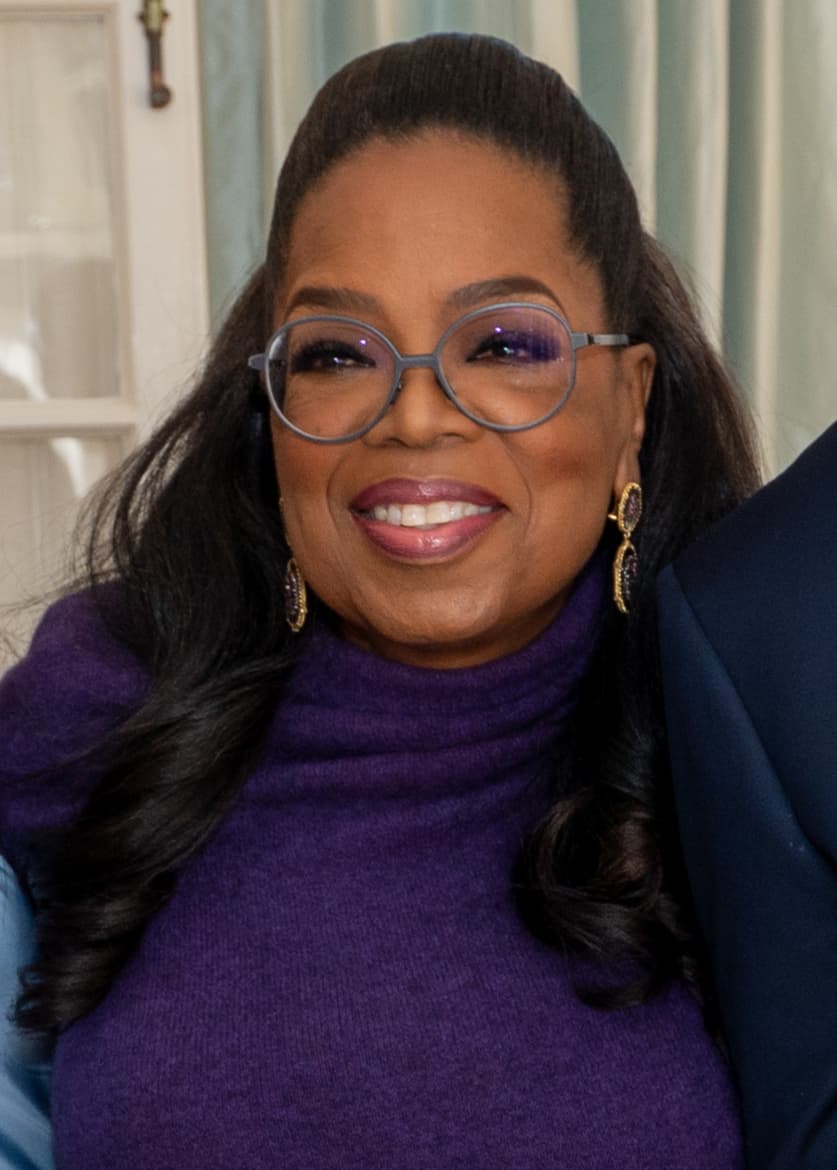
Oprah Winfrey is worth $3.2B. Our analysis arrives there after weighing five source estimates. From The Success Bug's $2.5B floor to Celebrity Net Worth's $5.0B ceiling. And anchoring to the most recent, authority-weighted data available as of June 2026. The midpoint cluster sits between $2.8B and $3.2B. We land at the upper bound of that band, for reasons the breakdown below makes plain.
The fortune is not a celebrity fee pile. It is a catalog business. The 25-season archive of The Oprah Winfrey Show sits inside Harpo Productions, the company Winfrey controls outright. That archive throws off royalties. It anchors a multiyear Amazon deal. It will outlast every current licensing cycle. That structure. Recurring, IP-based, owner-operated. Is what separates a $3.2B figure from the $300M-to-$500M range that defines even well-paid television talent.
The other assets layer on top. Equity in OWN Network. A Weight Watchers stake that spiked hard before pulling back. A real estate portfolio spanning California, Hawaii, Washington state, and the Caribbean. Brand licensing that runs from O Magazine to 'Oprah's Favorite Things.' Each pillar carries its own risk profile. Together they produce a durable, diversified balance sheet. One that marches forward even when any single asset wobbles.
How Winfrey's $3.2B Ranks Against Media Peers in 2026
At $3.2B, Winfrey sits in the top tier of self-made media fortunes globally. Above most cable-era executives and below only a handful of tech-backed platform founders.
The $2.9B cutoff that knocked Winfrey off the Forbes 400 in 2021. As MarketWatch reported that October. Tells the positioning story well. At the time, the list's minimum had risen sharply. Her assets were real; the bar had simply moved. By 2026, our analysis puts her comfortably past that threshold.
Celebrity Net Worth has published a figure as high as $5.0B. Business Insider and The Success Bug have anchored at $2.6B and $2.5B respectively. MarketWatch's 2021 coverage implied a figure just below $2.9B. Social Life Magazine has run estimates as high as $3.2B. We weight the more recent, upward-revised data and arrive at $3.2B as our June 2026 figure.
Among media founders. Not stars-for-hire, but owner-operators. She holds rare company. The cohort is small: a few cable-era executives who retained equity, a handful of studio owners. Winfrey belongs to that group on the strength of Harpo alone. Add her other holdings and the case sharpens.
OWN Network Equity and the Cable-to-Streaming Transition
Winfrey's equity stake in OWN Network and related media investments accounts for roughly 20% of her total fortune. About $640M. Driven largely by capital gains from the stake's majority sale.
The OWN Network launched as a joint venture with Discovery. It struggled in its early years. Winfrey doubled down, took on a more active programming role, and the ratings recovered. The turnaround translated into a negotiating position when Discovery later acquired a majority stake. A transaction our analysis values at roughly $500M in proceeds and retained equity.
The $640M figure we assign to this pillar reflects both realized gains and any residual equity position. Media networks are under pressure from cord-cutting. But the OWN transaction happened at a time when cable assets still commanded premium multiples. Winfrey timed it well.
The broader media investment category. Beyond OWN. Includes smaller stakes and development deals that are harder to value precisely. We fold them into this pillar and keep the estimate conservative.
The Weight Watchers Bet: High-Water Mark and What Followed
Winfrey's Weight Watchers equity stake peaked at roughly $400M in value before the stock declined sharply. Our analysis credits the position at about $320M after accounting for the drawdown.
The investment was announced in 2015. Winfrey bought a 10% stake and took a board seat. The stock surged. At its apex, the position was worth close to $400M. A figure Social Life Magazine cited in its coverage of her holdings. Then the stock fell hard as the weight-loss drug market shifted consumer behavior.
The decline was steep. But Winfrey had already realized gains along the way. Our net figure. Roughly $320M, or 10% of total wealth. Accounts for both the realized proceeds and the diminished current value of any remaining position.
The Weight Watchers story is the most volatile chapter in her asset history. It also illustrates a recurring theme: she invested in businesses aligned with her public identity. That alignment drove the initial stock pop. When the underlying category disrupted, so did the position.
Real Estate Portfolio: The Montecito Compound and Beyond
Winfrey's real estate holdings. Anchored by her Montecito, California estate and extending to Hawaii, Washington state, and Antigua. Carry a combined estimated value of around $320M.
The Montecito property is the crown asset. It sits on a large parcel in one of California's most tightly held luxury markets. Nearby sales have consistently set records. The compound's value has appreciated materially since she assembled it.
Beyond California, the portfolio spans the Pacific Northwest and Hawaii. Vacation and retreat properties that add both personal utility and long-term asset value. A property in Antigua rounds out the international exposure. Our analysis draws on the $200M floor cited by Social Life Magazine and adjusts upward to roughly $320M to reflect recent California luxury market appreciation.
Real estate is the most stable pillar in her portfolio. It doesn't generate operating income at scale. But it acts as an inflation hedge and a balance-sheet anchor. Appreciating quietly while the catalog and equity holdings do the heavier lifting.
Brand Partnerships, O Magazine, and the New Media Deals
Endorsements, O Magazine licensing, book club partnerships, and the Amazon content agreement collectively account for roughly 15% of Winfrey's fortune. Approximately $480M in our model.
O, The Oprah Magazine ran for two decades as a direct extension of her personal brand. The licensing structure. Hearst handled publishing operations; Winfrey controlled the brand. Meant she captured upside without bearing full operational risk. The magazine ceased print publication in 2020 but the brand equity it built has migrated to digital and partnership channels.
'Oprah's Favorite Things' is a franchise that functions more like a media property than a product endorsement. Retailers pay for placement. Brands pay for the association. The Amazon deal folded this franchise into a structured commercial arrangement. Adding recurring revenue to what had been an episodic annual event.
Book club licensing is a quieter line item but a durable one. An 'Oprah's Book Club' selection still moves hundreds of thousands of copies. Publishers compensate for that reach through partnership arrangements. Across all these channels, the brand-and-partnership pillar generates an estimated $480M in accumulated and projected value. Roughly 15% of the total.
How Winfrey Allocates Capital: The Owner-Operator Logic
Winfrey consistently retains ownership stakes rather than trading celebrity for fees. A capital allocation discipline that has compounded her wealth far beyond what a conventional talent deal would have produced.
The Harpo model is the template. She didn't license her show to a network and take a production fee. She owned the production company. She owned the content. She controlled distribution rights. Every subsequent deal. OWN, Amazon, Weight Watchers. Reflects the same logic: equity over income.
This approach carries risk. A failed network launch (the early OWN years), a volatile stock position (Weight Watchers), a declining print market (O Magazine). Each of these was a consequence of taking ownership rather than a guaranteed fee. But the upside of ownership, when it works, builds up in ways that fees never can.
The philanthropic layer. Winfrey has given away hundreds of millions through the Oprah Winfrey Foundation and related giving. Functions as both a values expression and a reputational asset. Charitable giving at that scale sustains brand equity and, through it, the commercial partnerships that feed back into her balance sheet.
Where the $3.2B Goes From Here: Trajectory Through 2028
The Amazon deal and catalog appreciation point to modest upward drift in Winfrey's net worth through 2028. Barring a sharp real estate correction or further pressure on media equity valuations.
The Amazon deal is the key variable. Multiyear content licensing at scale locks in cash flow that doesn't depend on ratings, advertising cycles, or any new creative output. It is the most durable revenue structure in the portfolio. As that contract matures and potentially renews, the catalog's present value rises.
Real estate risk is manageable. California luxury markets have corrected before and recovered. The Montecito market in particular has proven resilient. A meaningful drawdown is possible but not the base case.
The Weight Watchers position is the wild card. If GLP-1 weight-loss drugs continue reshaping consumer behavior, the underlying business faces structural pressure. Winfrey stepped down from the board in 2024. Her remaining exposure is likely limited. The drag on the overall figure is real but contained.
Our two-year view: $3.2B is a reasonable floor. An acceleration in Amazon deal value or a favorable real estate market could push the figure toward $3.5B. A simultaneous hit to media equities and property values could pull it back toward $2.9B. The distribution is asymmetric. More upside than downside, given the catalog's structural durability.
How the $3.2B adds up
- Harpo Productions & syndication libraryOwnership of The Oprah Winfrey Show's 25-season archive through Harpo Productions generates perpetual syndication royalties estimated at over $2 billion in value, representing the core engine of Oprah's wealth.$1.4B45%
- OWN Network equity & media investmentsOprah's joint venture equity stake in the OWN Network and other media investments generated significant capital gains, with the majority stake sale estimated at over $500 million.$640M20%
- Weight Watchers equity stakeOprah acquired a strategic equity stake in Weight Watchers, which was valued at up to $400 million at its peak before the stock declined.$320M10%
- Real estate portfolioOprah holds a diverse real estate portfolio including her Montecito, California compound and multiple vacation homes across Washington state, Hawaii, and Antigua, collectively valued at over $200 million.$320M10%
- Brand partnerships, endorsements & new media dealsOngoing revenue from brand partnerships, O Magazine, book club licensing, and a new multiyear Amazon content deal covering all 25 seasons of her show, her podcast, and 'Oprah's Favorite Things' franchise.$480M15%
Ezra Linwood — Ezra Linwood covers wealth architecture, media ownership, and the economics of celebrity capital for Neon Hollywood.
Disclaimer: Net-worth figures are editorial estimates built from publicly available reporting, filings, and market data — see our methodology. They are not verified statements of any person’s finances and nothing here is financial advice.