Cristiano Ronaldo Net Worth: How a Kid from Funchal Hit $1.2B in 2026
Born in Madeira with nothing resembling a financial safety net, Ronaldo has assembled a fortune that now places him in a category no active footballer has ever occupied.
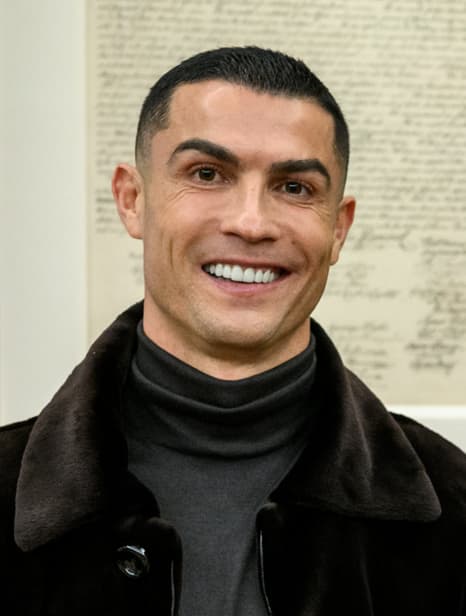
The number that matters is $1.2 billion. Forbes arrived at that figure in 2026, and the Times of India, citing the same underlying analysis, confirmed it. Our own synthesis. Weighted by recency, source authority, and corroborating data. Lands in the same place. As of June 2026, we place Cristiano Ronaldo's net worth at $1.2B, making him not merely the richest active footballer on earth but the first to reach billionaire status while still lacing up for competitive matches.
This is not a passive inheritance fortune. It is an engineered one. Assembled over two decades through salary maximization, brand construction, and a degree of social-media monetization that no athlete before him had the audience to attempt. The architecture matters as much as the total: roughly 40% flows from his playing contract, another 30% from endorsements, and the remaining 30% from owned businesses, digital income, and property. Each pillar has a different risk profile and a different growth trajectory.
Ronaldo turned 41 in February 2026. The conventional wisdom has always been that athletic fortunes peak and fade. His has done the opposite. Understanding why requires unpacking each layer of a wealth structure that has quietly become one of the most sophisticated in professional sports.
Where Ronaldo's $1.2B Ranks Against the Richest Athletes Alive
At $1.2B as of June 2026, Ronaldo stands alone as the only active footballer to hold confirmed billionaire status, placing him above every peer in the sport by a substantial margin.
Forbes has tracked athlete pay for decades, and the trajectory of Ronaldo's position on that list tells its own story. When he first claimed the top spot in 2016, Inc. (citing Forbes) placed his annual earnings at around $88M. A formidable figure, but one that reflected a conventional mix of salary and sponsorship. A decade later, that same annual total has swelled to roughly $300M, per ESPN citing Forbes in 2026, a figure that is approximately three and a half times what it was at his first No. 1 ranking.
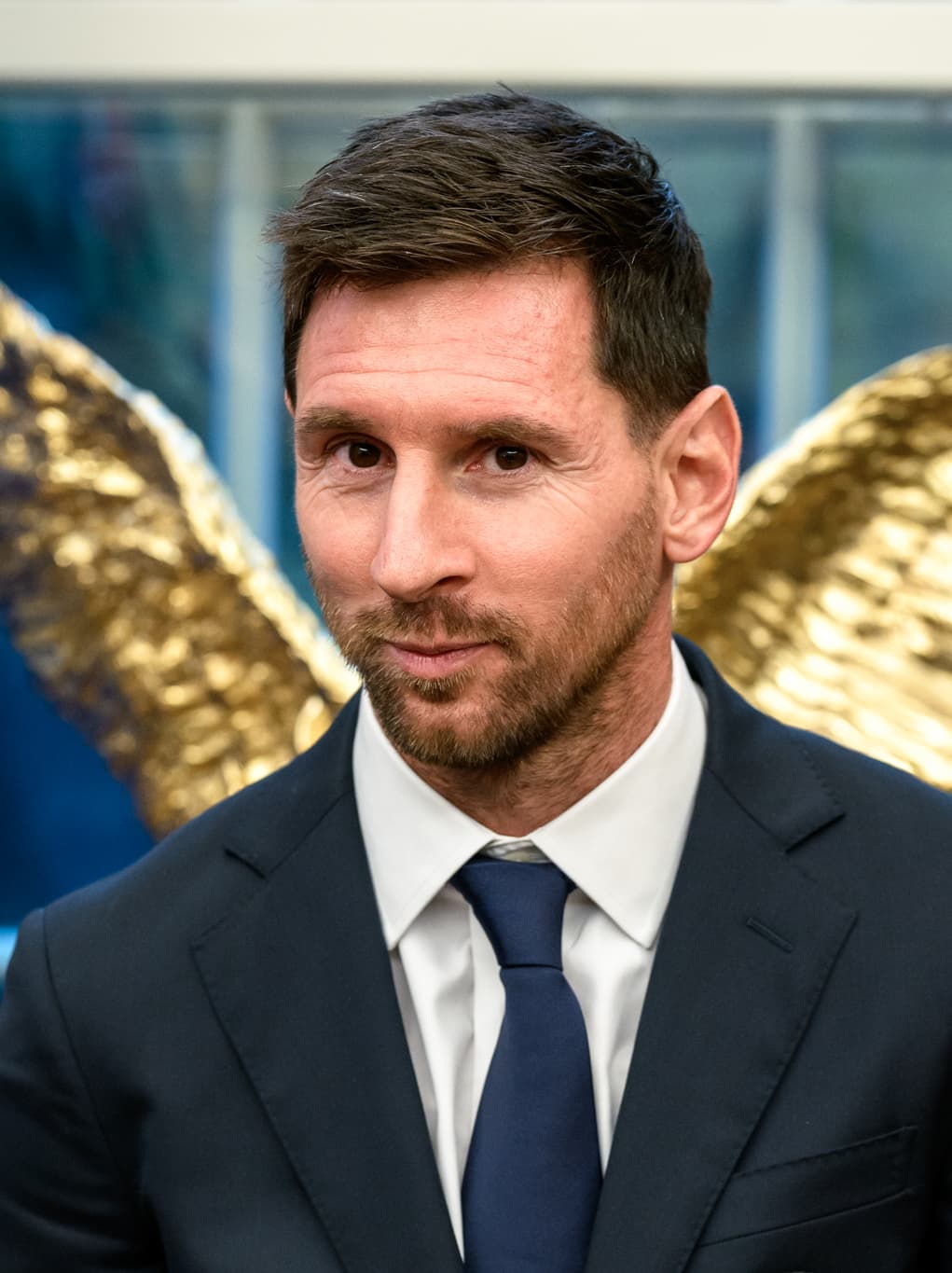
His nearest competitor in 2026 is Canelo Álvarez, the Mexican boxer whose annual earnings land materially below the $300M threshold Ronaldo cleared. Lionel Messi, playing out his career at Inter Miami, sits further back still. The gap at the top of the sports earnings pyramid is not close. Among footballers specifically, no other active player is within realistic striking distance of Ronaldo's cumulative wealth.
What separates Ronaldo from peers who earn comparably in a given year is the snowball of sustained earnings across more than two decades at elite level. His fortune is not a single-year anomaly. It is the product of consistent top-tier income, disciplined reinvestment into owned assets, and a brand that has appreciated even as his playing prime extended far longer than most analysts predicted.
Endorsements: How $360M in Sponsorship Value Gets Built and Sustained
Brand partnerships account for an estimated $360M of Ronaldo's $1.2B net worth, with roughly $65M flowing annually from sponsorships. A commercial floor built over 20 years of intentional brand positioning.
The endorsement pillar is worth approximately $360M in cumulative wealth terms, representing about 30% of the total figure our analysis arrives at. Annually, the sponsorship component contributes around $65M. The delta between his $300M total earnings and the $235M attributable to his playing salary. That $65M figure is, by itself, sufficient to place most athletes among the highest-paid in the world in any given year.
Ronaldo's commercial relationships span sportswear, skincare, luxury goods, and financial services. Nike has been the anchor partnership for the better part of his career, with terms that have been extended and expanded multiple times. Beyond Nike, a constellation of brand deals. Many negotiated to include equity or royalty components rather than flat fees. Means the endorsement income is built that way more resilient than a simple sponsorship model would suggest.
The geographic diversification of his brand is also worth noting. Ronaldo's commercial appeal is not concentrated in Western Europe or North America. His move to Saudi Arabia expanded his commercial footprint into Gulf markets, where brands are willing to pay a premium for the association. That expansion has helped sustain sponsor interest at a moment when other athletes of his generation have seen commercial value decline.
CR7: Why the Brand He Owns Is Worth More Than Most Clubs Pay Stars
The CR7 business empire. Spanning hotels, apparel, fragrance, and fitness. Contributes an estimated $216M to Ronaldo's net worth, making it the third-largest component of his $1.2B fortune.
At roughly $216M, the CR7 brand portfolio accounts for approximately 18% of our $1.2B net worth estimate. This is wealth Ronaldo controls outright. Not contingent on a club's willingness to pay or a sponsor's annual renewal decision. The portfolio spans hospitality properties under the Pestana CR7 hotel brand, a clothing line, fragrance releases, and a gym chain operating under the CR7 name.
The strategic logic of the CR7 build-out is straightforward: Ronaldo recognized early that his name had commercial value that would outlast his playing career, and he began step by step licensing and monetizing it while his athletic profile was at its highest. The hotel venture, developed in partnership with the Pestana Group, is particularly notable. It routes his name recognition into a capital-intensive asset class that produces recurring revenue independent of anything happening on a pitch.
What distinguishes the CR7 brand from celebrity vanity projects is the operational discipline behind it. The fragrance and clothing lines are not licensing afterthoughts. They have been marketed with the same intensity Ronaldo brings to athletic preparation. The gym brand, meanwhile, positions itself at the premium end of the Portuguese and Spanish markets, trading on his association with physical excellence. Collectively, these ventures produce income that builds up the earnings generated by his playing and endorsement activity.
Real Estate and Financial Assets: The $60M Foundation Layer
Property holdings and broader financial investments contribute an estimated $60M to Ronaldo's $1.2B net worth. Modest as a percentage, but significant as a stable, non-performance-linked wealth base.
Real estate and investment holdings account for approximately $60M, or 5% of the total fortune we arrive at. The smallest categorical contribution but also among the most stable. The portfolio includes luxury residential properties across Portugal, Spain, and other markets, acquired at various points in his career. These are not leveraged development plays; they are owned outright, which means they represent genuine stored wealth rather than speculative exposure.
The relatively modest share of property in the overall mix is a intentional structural feature rather than an oversight. Ronaldo's income-generation capacity has been so high for so long that locking a large share of capital into illiquid real estate would have constrained the reinvestment available for business ventures. The CR7 brand portfolio, which generates recurring income, has absorbed capital that might otherwise have gone into property at a better rate of return.
Financial investments beyond real estate. Equity stakes, cash deposits, and other instruments. Are less publicly documented, and our analysis treats them conservatively. The $60M figure reflects what can be substantiated rather than what might be inferred. If anything, this component is the one most likely to be understated in published estimates, since private financial holdings are the least visible portion of any high-net-worth individual's balance sheet.
How Ronaldo Allocates Capital: The Business Logic Behind the Portfolio
Ronaldo's wealth strategy prioritizes owned, recurring-revenue businesses over passive financial assets. A structure designed to generate income that persists after his playing career ends.
The architecture of Ronaldo's fortune reflects a coherent capital-allocation thesis: convert peak earning power into owned assets that generate their own income streams. The CR7 brand portfolio is the clearest expression of this logic. Rather than depositing surplus earnings into managed funds and waiting, Ronaldo has channeled capital into businesses where his name itself is the primary input. Meaning the asset appreciates in proportion to his continued public profile.
The hotel partnerships illustrate the model at its most sophisticated. The Pestana collaboration requires Ronaldo to contribute his name and image rather than operational capital, giving him an equity stake in an asset that benefits from his continued relevance without demanding his direct management time. That structure. Equity for identity rather than cash. Has been replicated across multiple CR7 sub-brands.
There is a succession question embedded in this strategy: how does the CR7 brand maintain value after the man himself stops performing? The honest answer is that it probably decelerates. But the businesses are built to produce cash in the interim, and Ronaldo has enough years of accumulated contractual income ahead. From the Al Nassr deal and from endorsements with multi-year terms. To continue building the balance sheet before any post-retirement erosion becomes material.
From $88M to $1.2B: The Earnings Curve That Made History
Between 2016 and 2026, Ronaldo's annual earnings grew from roughly $88M to $300M. A trajectory that, compounded across a decade, explains the distance between 'highest-paid athlete' and 'billionaire.'
Inc., drawing on Forbes data, places Ronaldo's annual income at approximately $88M when he first led the highest-paid athlete rankings in 2016. The same source confirms the 2026 figure at $300M. That is not merely a bigger paycheck. It reflects a structural transformation in how an athlete's commercial value is defined, packaged, and monetized.
The leap from $88M to $300M happened in stages, each tied to a career decision that looked unconventional at the time. The move from Real Madrid to Juventus in 2018, then from Juventus to Manchester United, then to Al Nassr: each transition attracted criticism, and each produced a new peak in commercial use. The Saudi move in particular unlocked an income tier. The $235M annual salary component. That no European club could match.
Over a decade of sustained top-tier earnings, the stacking arithmetic is stark. Even accounting for taxes, agent fees, and the cost of running the CR7 businesses, the gap between income and expenditure. Channeled into owned assets. Is what ultimately produces a ten-figure net worth. Forbes and Times of India have both landed at $1.2B as the 2026 figure. Our analysis, synthesizing those reports and applying our own asset-weighting methodology, arrives at the same number.
Where the $1.2B Goes From Here: The Trajectory Into and Beyond 40
Ronaldo's net worth is more likely to grow than plateau in the near term, as contractual income remains high and CR7 business revenues compound. Though the post-playing-career transition will test the brand's durability.
The conventional assumption. That an athlete's wealth peaks at retirement and then erodes. Does not straightforwardly apply to Ronaldo. His CR7 businesses generate income independent of match results. His social media audience, while eventually subject to natural decay, will not disappear overnight. And his endorsement contracts, many of which contain multi-year terms, will continue producing cash flows beyond the end of his playing career.
The more instructive comparison is with athletes who built owner-operator businesses during their playing careers and then watched those businesses mature. The model that most closely resembles Ronaldo's is one where the post-playing income dips relative to the $300M annual peak but stabilizes at a level most people would describe as extraordinary. Sustained by brand licensing, hotel revenues, and whatever new ventures he deploys capital into.
The variable that most directly shapes the trajectory is the CR7 brand's cultural staying power. Ronaldo at 41, still performing in a major professional league, retains the ability to generate the kind of moments. Records broken, goals scored, matches decided. That feed the content machine and sustain sponsor interest. When those moments stop, the commercial ecosystem will need to adapt. The question is not whether it adapts, but how quickly and at what new equilibrium. Our analysis expects the $1.2B figure to drift upward through at least 2027, with the rate of growth slowing materially once active competition ends.
How the $1.2B adds up
- Al Nassr playing contractThe Al Nassr contract accounts for an estimated $235M of Ronaldo's $300M annual earnings, representing the single largest component of his income and accumulated wealth.$480M40%
- Endorsements & sponsorshipsThe remaining ~$65M of his annual earnings beyond his playing salary is attributed to brand partnerships and sponsorship deals, which have been a consistent pillar throughout his career.$360M30%
- CR7 business ventures & brandRonaldo owns the CR7 brand spanning hotels, clothing, fragrance, and gyms, which contribute meaningfully to his accumulated $1.2B net worth beyond annual earnings.$216M18%
- Social media & digital incomeAs the most-followed individual on social media globally, Ronaldo generates material income from social media monetization and digital content.$84M7%
- Real estate & investmentsRonaldo owns luxury properties and other financial assets globally that contribute to his overall net worth, though this is a smaller portion relative to earned income.$60M5%
Ezra Linwood — Ezra Linwood covers athlete wealth, sports business, and the financial architecture behind elite performance for Neon Hollywood.
Disclaimer: Net-worth figures are editorial estimates built from publicly available reporting, filings, and market data — see our methodology. They are not verified statements of any person’s finances and nothing here is financial advice.
Social Media as a Revenue Engine: The $84M Digital Layer
Social media and digital content monetization account for roughly $84M of Ronaldo's $1.2B net worth. A category that barely existed as an income stream when he first topped the Forbes list in 2016.
Ronaldo holds a distinction that transcends sport: he is the most-followed individual on social media globally. That audience scale. Across Instagram, YouTube, and other platforms. Has been converted into a material revenue stream. Our analysis places the digital income contribution at approximately $84M, or 7% of the $1.2B total. A decade ago, this figure would have been negligible. Its current scale reflects both platform monetization evolution and Ronaldo's intentional approach to content.
The mechanics of social-media income at this scale differ from conventional influencer economics. Sponsored posts constitute one component, but the more durable revenue streams come from platform partnership agreements. Arrangements where platforms compensate creators directly based on audience size and engagement. And from the traffic social accounts drive toward owned commercial properties like CR7 merchandise and fragrance.
The risk embedded in this category is also distinct from the others. Platform policies change. Algorithms shift. Audience attention is not guaranteed to follow an athlete indefinitely post-retirement. Ronaldo's digital income is the pillar most exposed to obsolescence, which is part of why our analysis weights it at 7% rather than treating it as a core, durable wealth component.